
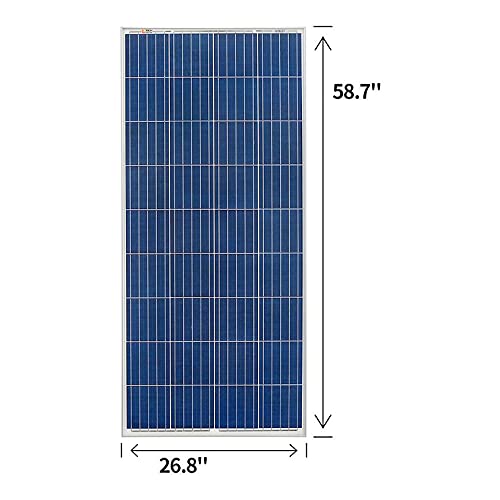
The best plug in solar panels for home can help turn sunlight into power for everyday use. These kits appeal to renters and homeowners who want a smaller solar setup without a full rooftop project. Some connect to the grid; others store energy in a battery for backup.
A low price or big wattage claim can hide the details that matter. A kit may lack the right cables, monitoring, or clear setup guidance. Worse, a grid-tied system is not always safe or permitted to plug into an ordinary outlet. Local rules, utility approval, and electrical code matter. Buying before checking them can lead to delays, extra costs, or a system you cannot use as planned. The right choice should fit your home, your power goals, and your local requirements.
I compare solar and backup products by their listed output, included parts, monitoring, and intended use. For this guide, I reviewed the supplied product details and separated grid-tied kits from battery systems, since they solve different problems. The best plug in solar panels for home should be clear about setup, safety, and limits. This guide puts those points first.
What you’ll learn
- How grid-tied solar kits differ from battery backup systems
- Which output and panel count may suit your home
- Why utility rules and safe installation deserve a check
- What each featured product is designed to do
In This Article
How To Choose The Best best plug in solar panels for home
Choosing the best plug in solar panels for home means looking beyond the wattage on the box. Check whether a product feeds power into a home circuit or stores it in a battery; these are not the same thing. Some listings may leave out key cables, mounting parts, or clear support details. Also, do not assume that a wall plug makes a grid-tied system legal or safe for every home. Review local rules, utility requirements, and product documents before you buy.
Check System Type and Local Rules
First, decide if you want grid-tied energy or backup power. A grid-tied kit can offset some energy use, but its connection may require utility approval, permits, or a qualified electrician. A battery system stores power for selected devices and may not send energy into your home wiring. Do not assume that a standard outlet is approved for a solar connection. Check local rules and the product manual before you buy. The best plug in solar panels for home are a good fit only when their use matches your home and local requirements.
Match Output to Your Space and Needs
Panel count and rated watts help you compare kits, but they do not promise a fixed amount of daily power. Sun angle, shade, weather, and panel placement all affect output. Measure your usable space and note when it gets direct sun. A smaller kit may suit a balcony or a first solar project, while a larger array needs more room and careful planning. Avoid choosing the biggest number just because it looks better. For the best plug in solar panels for home, match the stated output to your space and realistic energy goals.
Review Safety, Parts, and Monitoring
Read the listing and manual to see what is included, how the system is monitored, and what protections or certifications are claimed. Confirm the exact model and certification with the maker or a qualified installer; a badge in a listing alone is not proof that your setup meets local code. Check cable length, mounting needs, weather limits, and warranty terms. A kit with clear support can save time later. Buyers who want outage power should also check battery capacity and output, since a grid-tied panel kit alone may not power a home during an outage.
Quick Comparison
| Model | Category | Best For | Key Spec | Amazon |
|---|---|---|---|---|
| 800W Plug and Play Solar Kit | Grid-tie kit | Small-scale solar shoppers | 800W panels and inverter listed | Amazon |
| PLUGGEDSOLAR 800W Balcony Kit | Grid-tie kit | Balcony or compact setups | Four panels; APsystems inverter listed | Amazon |
| PLUGGEDSOLAR 1600W Balcony Kit | Large grid-tie kit | Users with more panel space | Eight panels; 1600W listed | Amazon |
| PluggedSolar 1.8kW Grid-Tie Kit | Large grid-tie kit | Higher-output solar planning | 1800W panels listed | Amazon |
| Jackery HomePower 3600 Plus | Battery backup | Backup power and portable use | 3584Wh; 3600W AC output listed | Amazon |
In-Depth Reviews for best plug in solar panels for home
1.
800W Plug and Play Solar Kit
 Check Price on Amazon
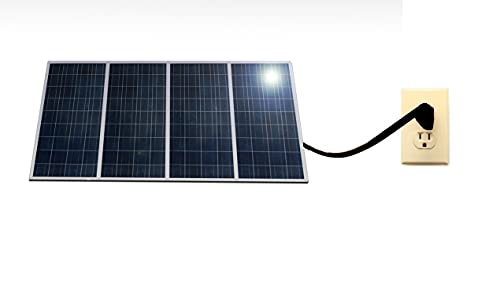
This 800-watt solar kit pairs panels rated at 800 watts with an inverter rated at 800 watts, according to the listing. Its simple plug-in concept may appeal to people who want to explore home solar without a large roof project. It stands out for a clear, matched headline rating. Actual output depends on sun, shade, placement, and system limits.
The listed setup is aimed at users who want a compact grid-tied solar option. Before planning a wall connection, read the full manual and check local utility and electrical rules. Confirm what cables, mounts, and safety parts come in the box. This may suit a homeowner who can verify the setup requirements and has a suitable sunny location.
A panel kit needs little daily cleanup beyond checking for dust and keeping the area clear. The listing does not give enough detail here to judge every material or warranty term, so verify them with the seller. Its value depends on included parts, safe installation, local approval, and usable sunlight.
Why It’s Great
- Panels and inverter have matching 800-watt headline ratings.
- A smaller listed capacity may be easier to plan around than a large array.
- The plug-in concept may appeal to buyers seeking a simpler solar project.
- Could suit homes with a suitable sunny space and modest energy goals.
- Offers a grid-tied alternative for shoppers who do not need a battery.
Good to Know
- Do not assume an ordinary outlet connection is permitted or safe in your area.
- The listing details provided do not confirm all included mounts, cables, or warranty terms.
- Rated watts do not guarantee actual daily energy production.
2.
PLUGGEDSOLAR 800W Balcony Solar Kit
 Check Price on Amazon
This PLUGGEDSOLAR kit is listed as an 800-watt, four-panel balcony system with an APsystems microinverter, Wi-Fi monitoring, and UL 3700 certification. Those details make it a more specific option for buyers comparing the best plug in solar panels for home. Confirm the exact certification, model, and local approval needs before purchase or installation.
Four panels may fit users who have limited space but want a defined small-scale setup. Wi-Fi monitoring can help track system information, though network access and app support may affect the experience. Review the panel dimensions, mounting plan, and cable details first. This kit may suit a balcony or similar space where installation is allowed.
Solar panels need occasional cleaning and a quick visual check for loose parts or debris. Confirm the frame, mounting hardware, warranty, and included cables in the full listing. Its value rests on the complete kit and local suitability, not the certification wording alone. A qualified installer can help verify the setup.
Why It’s Great
- Four-panel format gives buyers a clear system layout to assess.
- APsystems microinverter is named in the product listing.
- Wi-Fi monitoring is listed for system visibility.
- The listing states UL 3700 certification; verify the exact scope.
- Aimed at balcony solar use rather than a large roof array.
Good to Know
- The product name does not replace local utility approval or electrical code checks.
- Wi-Fi monitoring needs a suitable connection and app support.
- Buyers should verify mounting hardware, panel dimensions, and certification details.
3.
PLUGGEDSOLAR 1600W Balcony Kit
 Check Price on Amazon
This eight-panel PLUGGEDSOLAR kit is listed at 1600 watts and includes an APsystems microinverter, Wi-Fi monitoring, and UL 3700 certification. It offers twice the panel count of the listed 800-watt balcony model. That larger scale may appeal to buyers with more space, but the rated output is not a promise of daily energy production.
Plan carefully before choosing an eight-panel system. Check usable space, sun exposure, mounting limits, cable routes, and local rules for grid connection. Wi-Fi monitoring may make it easier to view system data, but it is not a substitute for safe setup. This kit may suit users who have room and a clear plan for a larger array.
The panels need periodic cleaning and checks for shade, dirt, and visible damage. Ask the seller to confirm the exact parts, warranty, mounting method, and certification scope. The value may be strong for a suitable site, but only when the extra panel count fits your space and approved installation plan.
Why It’s Great
- Eight panels provide a larger array than the 800-watt kit.
- The listing names an APsystems microinverter.
- Wi-Fi monitoring is included in the product description.
- May suit buyers with more sunny, usable space.
- The listed certification gives shoppers a detail to verify with the seller.
Good to Know
- A larger array needs more mounting space and careful cable planning.
- Verify local utility approval and installation requirements before ordering.
- Actual output changes with weather, shade, orientation, and system limits.
4.
PluggedSolar 1.8kW Grid-Tie Kit
 Check Price on Amazon
The listing describes this PluggedSolar system as a 1.8-kilowatt kit with 1800-watt crystalline panels and a micro grid-tie inverter. It is presented for a 110 or 120-volt AC outlet and described as utility approved. Treat those claims as details to confirm for your exact location and model before buying or connecting the system.
This higher-output kit may interest homeowners planning a larger solar setup with enough clear, sunny space. Review the panel sizes, inverter limits, included cables, and installation steps in the current listing. A qualified installer can help determine whether it fits your home. It is not a battery system, so do not expect it to provide backup during an outage.
Routine care usually means keeping panels clear and checking visible wiring and mounts. The product details provided do not confirm all build, support, or warranty information, so ask before ordering. Its value depends on verified compatibility, included hardware, and local approval rather than the high wattage figure alone.
Why It’s Great
- The listing states 1800 watts of crystalline solar panels.
- A micro grid-tie inverter is included according to the title.
- May suit buyers seeking a larger panel array.
- The listing identifies 110 or 120-volt AC use.
- Offers a grid-tied option for buyers who do not need stored energy.
Good to Know
- Verify the utility-approved claim for your exact model and location.
- Grid-tied systems may not power home circuits during a grid outage.
- Confirm included mounting parts, cables, warranty, and installation needs.
5.
Jackery HomePower 3600 Plus
 Check Price on Amazon
Unlike the other products here, the Jackery HomePower 3600 Plus is a battery backup system, not a plug-in grid-tie panel kit. The listing includes two 200-watt solar panels, a 3584Wh LFP battery, and 3600W AC output. It is designed to store power for home backup, emergencies, and RV use.
A battery setup can help run selected devices when the grid is down, depending on the load and available charge. Its listed capacity and output are useful comparison points, but runtime varies by device and conditions. This may suit people who value backup power and portable use more than sending solar energy into home wiring.
Solar panels need occasional cleaning, while the power station should be stored and used as its manual directs. Check expansion, warranty, charging, and device limits before buying. This system may cost more than a basic panel kit, but its stored energy serves a different purpose and can add practical backup value.
Why It’s Great
- Includes a listed 3584Wh LFP battery for stored energy.
- The product title lists 3600W AC output.
- Two 200-watt solar panels are included according to the listing.
- Designed for home backup, emergencies, and RV use.
- The listing says battery capacity can expand up to 21kWh.
Good to Know
- This is a battery backup system, not a grid-tied plug-in solar kit.
- Runtime depends on the devices used and the energy available.
- Check expansion parts, charging details, and warranty terms before purchase.
Final Thoughts: The Verdict
My personal top pick is the PLUGGEDSOLAR 800W Balcony Solar Kit for shoppers who want a smaller grid-tied option with a named microinverter and monitoring. Check its certification details, local rules, and installation needs first. Among these best plug in solar panels for home, it offers a clear starting point for a compact setup.
For more panel capacity, consider the PLUGGEDSOLAR 1600W Balcony Kit if you have the space and approval. For outage power, the Jackery is the better fit because it stores energy in a battery. Choose the system that matches your space, power needs, and budget.