
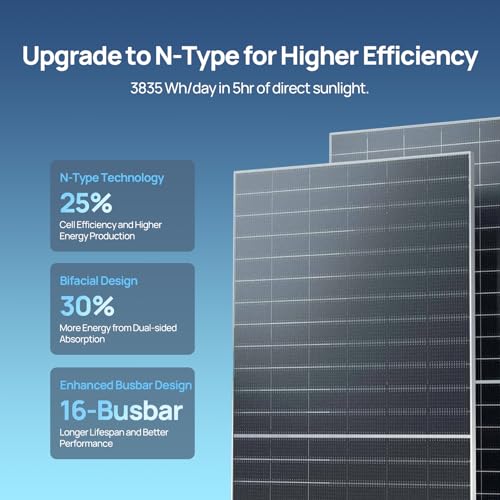
A home solar kit combines solar panels, an inverter, and batteries to make power for a home or remote site. Homeowners, cabin owners, and people planning for outages may consider one. The best home solar kit can help power selected loads when utility service is unavailable.
Solar kit shopping can feel like a maze. A large inverter rating may catch your eye, but it does not tell you how much energy the panels can make or how long the batteries can run your loads. Buyers can also overlook roof space, local permits, wiring needs, and the cost of professional installation. A mismatched system may leave you short on power or with parts you cannot safely connect. Choosing carefully matters: your home, budget, and backup goals should guide the system, not a headline wattage.
I compared the listed panel and battery capacities, inverter output, and intended use of each option. I also checked which details buyers should confirm with the seller, since package contents and electrical needs matter in a real installation. This guide focuses on practical fit, clear trade-offs, and safety, so you can judge which best home solar kit matches your home and plans.
What you’ll learn
- How panel watts, inverter output, and battery storage serve different needs.
- What to confirm about kit contents, wiring, and system compatibility.
- Which listed off-grid kits offer larger panel or storage capacity.
- Why the solar-powered camera kit is not a home electricity system.
In This Article
How To Choose The Best Home Solar Kit
The right home solar kit should match the power you need, the sun your site gets, and the space you can use. One common mistake is to shop by inverter watts alone. Panels make energy, while batteries store it; those numbers are not interchangeable. Some kits may also need extra wiring, mounts, or electrical work. Before buying, check the full parts list, system voltage, battery capacity, warranties, and local rules. A careful match can prevent costly surprises and help you get a safer, more useful setup.
Match the System to Your Power Needs
Start with the devices you want to run and how long you need them to run. A 10kW inverter rating describes potential output, not daily energy production. Panel watts help show how much solar power the kit can collect in ideal conditions, while battery kilowatt-hours show stored energy. List your major loads and estimate their daily use before choosing the best home solar kit. Do not assume a large inverter will power every appliance all day. For a cabin or backup loads, a smaller system may fit; larger homes need a careful load review.
Check Battery Capacity and System Compatibility
Battery storage matters when you need power at night or during an outage. Compare the stated usable capacity, battery voltage, chemistry, and warranty, and ask the seller to confirm what is included. Product listings may state nominal capacity, which is not always the same as usable energy. Confirm that the battery bank, inverter, and charge controls are designed to work together. Avoid choosing only by the largest number in a title. A smaller bank may suit essential loads, while longer backup needs call for more verified storage.
Review Installation, Safety, and Site Fit
A complete kit may still need mounting hardware, cables, breakers, permits, and professional installation. Check whether the panels fit your roof or ground space and whether your site gets enough sun. Confirm local electrical rules and whether the system is off-grid or approved for grid connection; do not assume an off-grid kit can send power to the utility. High-voltage battery and AC wiring can be dangerous. Ask a licensed installer to review the plan. This step is especially important for whole-home systems and helps prevent unsafe or costly wiring mistakes.
Quick Comparison
| Model | Category | Best For | Key Spec | Amazon |
|---|---|---|---|---|
| ECO-WORTHY 10kW 16.1kWh Solar Kit | Off-grid solar | Home backup with moderate listed storage | 2,950W PV; 10kW split-phase inverter | Amazon |
| ECO-WORTHY 10kW 32.2kWh Solar Kit | High-capacity off-grid | Buyers seeking more listed storage and PV | 10,620W PV; two listed 48V 314Ah batteries | Amazon |
| ECO-WORTHY 10kW 20.48kWh Solar Kit | Off-grid solar | Homes needing a larger panel array | 5,310W PV; four listed 48V 100Ah batteries | Amazon |
| ECO-WORTHY 10kW 9.36kWh Solar Kit | Smaller off-grid kit | Essential loads and smaller energy needs | 2,340W PV; two listed 48V 100Ah batteries | Amazon |
| aosu D1 Solar Camera Kit | Solar security camera | Outdoor security, not home power | Four cameras; 2K video; built-in storage | Amazon |
In-Depth Reviews for Best Home Solar Kit
1.
ECO-WORTHY 10kW 16.1kWh Solar Kit
 Check Price on Amazon
This ECO-WORTHY off-grid home solar kit pairs a 10kW split-phase inverter with 2,950W of listed solar panels and a battery system advertised as 16.1kWh. Its 120V/240V output suits compatible loads. The combination makes it a notable option for buyers seeking a whole-house system, though actual production and runtime depend on site, weather, and demand.
The kit is designed for off-grid use, so it may suit a remote home, cabin, or backup plan that needs both common household voltages. Review the full package list before purchase, including cables, mounting parts, and protections. The best home solar kit is one that fits your loads; have an installer check this system’s sizing and wiring.
The listed battery capacity and panel rating offer a useful starting point for comparing value. Confirm usable battery energy, warranty terms, and all included parts with the seller. Solar panels need suitable mounting and periodic checks, while electrical connections need qualified care. Installation costs may affect the total price.
Why It’s Great
- 10kW inverter is listed with both 120V and 240V split-phase output.
- Includes a listed 2,950W solar panel array.
- Battery storage is advertised as 16.1kWh.
- Combines panels, inverter, and batteries in one off-grid package.
- May suit cabins or homes planning for selected backup loads.
Good to Know
- The stated panel capacity may not meet every home’s daily energy needs.
- Confirm usable battery capacity and included components before ordering.
- Off-grid equipment is not automatically suitable for utility-grid connection.
- Professional design and installation may add significant cost.
2.
ECO-WORTHY 10kW 32.2kWh Solar Kit
 Check Price on Amazon
This ECO-WORTHY off-grid kit lists a 10kW 120V/240V split-phase inverter, 10,620W of solar panels, and two 48V 314Ah batteries. The seller advertises 32.2kWh of storage. That large listed panel and battery capacity stands out for energy-heavy plans, but real output changes with sunlight, panel direction, temperature, and household use.
The package may interest buyers planning an off-grid home or a system for several selected loads. Its high listed capacity calls for careful space planning and a clear wiring design. Before choosing this best home solar kit, ask the seller to confirm usable battery energy, exact panel count, included mounting parts, and inverter compatibility with your appliances.
A large kit can offer value when its capacity matches your needs, but it may cost more to install and maintain. Check the warranty, shipping details, and full parts list before buying. Keep panels clear of shade and have a qualified installer inspect the battery and electrical connections.
Why It’s Great
- Lists a 10kW split-phase inverter for 120V and 240V loads.
- The stated 10,620W panel array is the largest among these solar kits.
- Advertises two batteries and 32.2kWh of storage.
- May fit buyers with substantial off-grid energy goals.
- Includes panels, inverter, and battery storage in one listed package.
Good to Know
- The large array needs substantial unshaded roof or ground space.
- Ask the seller to verify usable battery capacity and exact package contents.
- A 10kW inverter rating does not mean the system can supply that output all day.
- Installation and battery protection require careful planning.
3.
ECO-WORTHY 10kW 20.48kWh Solar Kit
 Check Price on Amazon
This ECO-WORTHY off-grid system lists a 10kW 120V/240V split-phase inverter, 5,310W of solar panels, and four 48V 100Ah batteries. The advertised storage is 20.48kWh. Its larger panel array and multi-battery setup make it a useful comparison for buyers who want more solar input than the smaller kits provide.
Four batteries may offer flexible storage planning, but buyers should confirm how they connect and what capacity is usable. This best home solar kit may suit a cabin or home with measured off-grid needs and room for the panels. Review inverter limits, appliance startup loads, and the full installation plan with a qualified professional.
The package brings several major system parts together, which can simplify initial selection. Still, compare warranty coverage, shipping, and any missing balance-of-system parts before judging value. Keep the array accessible for checks, and rely on an electrician or solar installer for safe battery and AC wiring.
Why It’s Great
- Lists 5,310W of solar panels.
- Includes four listed 48V 100Ah batteries.
- Advertises 20.48kWh of battery storage.
- Provides a 10kW split-phase inverter rating.
- May suit buyers seeking a middle ground in listed panel and storage capacity.
Good to Know
- Confirm whether the advertised capacity is nominal or usable.
- Four batteries and a large array need careful placement and wiring.
- The listed inverter output does not guarantee whole-home runtime.
- Check what cables, breakers, and mounting parts come in the package.
4.
ECO-WORTHY 10kW 9.36kWh Solar Kit
 Check Price on Amazon
This ECO-WORTHY off-grid kit lists twelve 195W solar panels, for 2,340W total, plus a 10kW 120V/240V inverter and two 48V 100Ah lithium batteries. The advertised storage is 9.36kWh. Its smaller panel array may suit limited energy goals, but the inverter rating is much higher than the panel rating.
Buyers should size this system around actual daily use rather than assume it can run a whole home. It may suit essential loads, a small off-grid space, or a user who plans a staged setup after checking expansion options. Ask about battery compatibility, usable capacity, wiring, and whether the included parts fit your site.
A smaller array can take less space than the other listed home kits, but it may collect less energy each day. Compare the total installed cost and warranty, not just the kit price. Keep panels clean and have a qualified installer review all wiring and safety equipment.
Why It’s Great
- Lists twelve panels with a combined rating of 2,340W.
- Includes a 10kW split-phase inverter.
- Advertises two lithium batteries and 9.36kWh of storage.
- Smaller panel capacity may fit sites with limited installation space.
- Product listing states UL 1741 inverter and UL battery-related certifications.
Good to Know
- The 2,340W array may be modest for a 10kW inverter system.
- Confirm the listed certifications and documentation for the exact components.
- A smaller panel array may take longer to recharge batteries.
- Check whether the kit can be expanded before planning future upgrades.
5.
aosu D1 Solar Security Camera Kit
 Check Price on Amazon
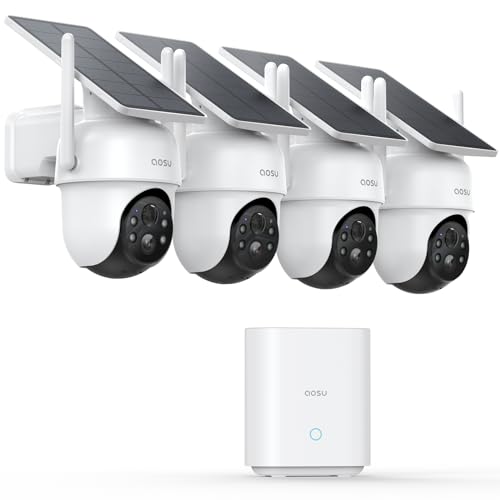
The aosu D1 is a four-camera outdoor security kit, not a home electricity system. Its listing describes solar-powered cameras, 2K video, color night vision, 360-degree auto tracking, and 32GB of built-in storage. It is included here because it uses solar charging, but it cannot replace a home solar kit or power household appliances.
Wireless cameras may help monitor outdoor areas without running power cables to each camera. The listing says no subscription is required, which may appeal to buyers who want local storage. Check placement, Wi-Fi coverage, solar exposure, app needs, and camera compatibility before choosing this security product for your home.
The compact camera setup may be easier to place than roof-mounted energy equipment, but solar exposure still matters. Check the storage and warranty details before buying. This product offers security monitoring, not household energy value, so compare it with camera systems rather than a solar power package.
Why It’s Great
- Includes four outdoor security cameras.
- The listing describes solar-powered operation.
- Offers listed 2K video and color night vision.
- Includes 32GB built-in storage, according to the listing.
- May suit buyers seeking outdoor monitoring without a home power system.
Good to Know
- This is a camera kit, not a home solar electricity kit.
- Camera operation depends on placement, sunlight, and network conditions.
- Confirm app features, storage limits, and warranty terms before buying.
- It cannot power household appliances or provide home backup energy.
Final Thoughts: The Verdict
My personal top pick is the ECO-WORTHY 10kW 32.2kWh Solar Kit for buyers who want the largest listed panel array and storage in this group. Its headline figures look strong, but confirm usable battery capacity, kit contents, and installation needs first. The best home solar kit must fit your real loads, not just look powerful on a product page.
For a smaller listed array and storage setup, consider the ECO-WORTHY 10kW 9.36kWh Solar Kit for carefully planned essential loads. The 5,310W, 20.48kWh kit is another middle option. The aosu camera kit is for security, not home power. Compare your energy use, site, and budget before you choose.