
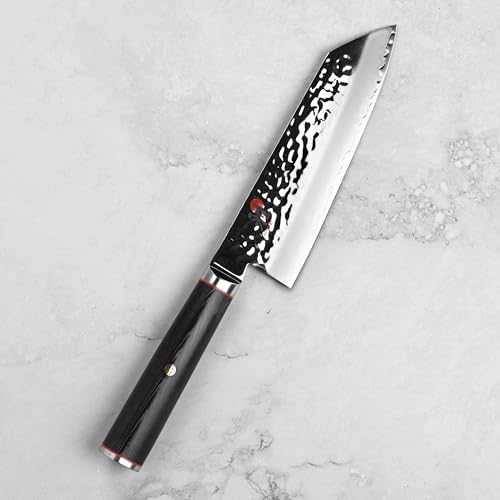
A bunka knife is a versatile Japanese kitchen knife with a broad blade and a sharp, angled tip. It suits home cooks who want one tool for slicing vegetables, cutting meat, and making precise cuts. People buy the best bunka knife for its nimble feel and useful mix of chopping and detail work.
A dull edge, an awkward handle, or a blade that needs more care than you expect can turn dinner prep into a chore. Some buyers focus only on steel names and miss the knife’s length, balance, or upkeep needs. Carbon steel can rust if left wet, while a hard, thin edge may chip if used on bones or frozen food. Choosing the right bunka matters in daily use: the best match should feel steady in your hand, suit your cutting board, and fit the care you can give it.
I compare bunka knives by their stated steel, blade length, handle details, edge style, and likely care needs. This guide uses the product information provided and avoids claims about hands-on testing that cannot be verified. My aim is to help you find the best bunka knife for your habits, budget, and kitchen, with clear trade-offs for each option.
What you’ll learn
- How bunka blade shape supports both chopping and precise cuts
- Which steel and care needs fit your kitchen routine
- How blade length and handle style affect daily use
- Which listed knife suits different budgets and cooking needs
In This Article
How To Choose The Best best bunka knife
The right bunka can make prep feel smooth; the wrong one can be a chore. A low-cost knife may arrive dull, feel poorly balanced, or need frequent sharpening. A premium steel can also disappoint if its care needs do not fit your routine. Before you buy the best bunka knife, check the blade length, steel type, handle shape, and edge style. Match these details to your usual foods and skill level, not just the product photos or a claim of sharpness.
Choose a Blade Length for Your Prep
Bunka knives often have a compact blade, but lengths vary. A shorter blade can feel easy to guide on a small board and works well for close, careful cuts. A longer blade gives more reach for larger vegetables and broader slicing strokes. Check the listed length and compare it with your current chef’s knife before you buy. Do not assume a longer blade is always better. If you cook in a tight space, a compact model may suit you; if you prep larger meals, a longer option may feel more useful. The best bunka knife is the one you can control.
Match Steel to Your Care Routine
Steel affects edge life, sharpening, and care. Stainless steel is a practical choice if you want to rinse and dry your knife without worrying as much about rust. Carbon steel can take a keen edge, but it needs prompt drying and more attention. Hard blades can hold an edge well, yet they may be less forgiving if twisted or used on hard foods. Read the material details and avoid treating any kitchen knife as a bone chopper. Choose stainless for easier care, or carbon steel if you enjoy careful upkeep and sharpening.
Check the Handle and Edge Style
A secure grip helps you make steady cuts and reduces hand strain. Look for handle material and shape, plus whether the blade has a double bevel. A double-bevel edge can work for left- and right-handed cooks, while a one-sided edge may need more care when choosing. Full-tang construction can offer a solid feel, but balance also depends on the whole knife. Product photos cannot show how a handle feels in your hand, so review its stated design and weight. The best bunka knife should feel manageable, not just look striking.
Quick Comparison
| Model | Category | Best For | Key Spec | Amazon |
|---|---|---|---|---|
| MIYABI Mizu SG2 6.5-inch Bunka | Premium Pick | Cooks seeking a compact SG2 blade | 6.5-inch blade; SG2 | Amazon |
| YOSHIDAHAMONO 190mm Aogami #2 Bunka | Carbon Steel | Experienced cooks who maintain carbon steel | Aogami #2; HRC 62–64; 162 g | Amazon |
| MIYABI Kaizen II 6.5-inch Bunka | Compact Pick | Cooks who prefer a shorter blade | 6.5-inch blade | Amazon |
| Misen 6-inch Bunka Knife | Everyday Pick | Everyday prep and easy-care needs | ACUTO440 high-carbon stainless steel | Amazon |
| Enso HD 7-inch Bunka Knife | Longer Blade | Cooks wanting a longer VG10 blade | VG10; hammered Damascus stainless steel | Amazon |
In-Depth Reviews for best bunka knife
1.
MIYABI Mizu SG2 Bunka Knife
 Check Price on Amazon
The MIYABI Mizu is a 6.5-inch bunka knife made with SG2 steel, according to its product name. Its compact size suits everyday kitchen prep, while the bunka tip supports careful detail work. For shoppers seeking a premium Japanese knife, this model stands out for pairing a nimble blade length with a high-end steel choice.
A 6.5-inch blade can feel less bulky than a full-size chef’s knife, especially on a small board. The angled tip is handy for fine cuts, while the bunka shape can tackle a range of common prep jobs. This option may suit cooks who want a compact, versatile blade and are comfortable caring for a fine-edged knife.
SG2 steel is a premium feature, but the listing details provided do not confirm handle material or care instructions. Hand wash, dry promptly, and use a suitable board. Its value depends on price and your care habits; check the current listing for full construction details before buying.
Why It’s Great
- Compact 6.5-inch length can suit smaller boards
- SG2 steel is a strong draw for premium-knife shoppers
- Bunka tip supports precise cuts and detail work
- Versatile blade shape can handle many daily prep tasks
- A useful option for cooks seeking an upgrade
Good to Know
- The provided product details do not specify handle material or blade hardness
- A premium steel knife still needs careful use and suitable sharpening
- Confirm care guidance and current price on the product listing
2.
YOSHIDAHAMONO 190mm Aogami #2 Bunka
 Check Price on Amazon
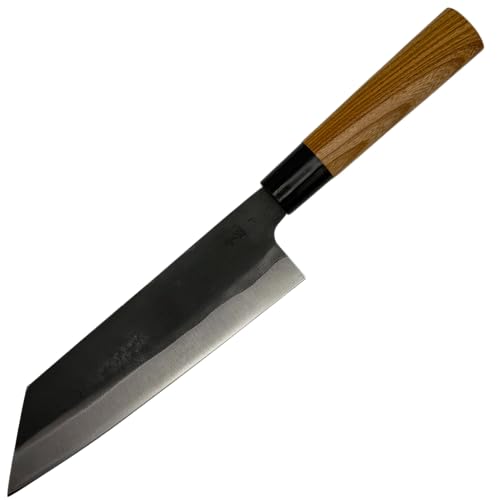
This 190 mm YOSHIDAHAMONO bunka pairs Aogami #2 carbon steel with a stated hardness of HRC 62–64. Its reverse tanto tip gives it a distinct profile, and the full-tang Keyaki wood handle adds a traditional touch. The listed 162 g weight and double-bevel edge make its core details unusually clear.
The 190 mm blade offers more reach than compact six-inch models, which may help with larger produce and longer cuts. Its double bevel is listed as ambidextrous, so left- and right-handed cooks can consider it. This bunka is best for cooks who value a carbon-steel edge and will dry the blade after use.
Carbon steel needs prompt washing and drying to help prevent rust and stains. The full-tang build and wood handle suggest a substantial, traditional design, but avoid soaking the handle. It can offer strong value for cooks who welcome upkeep; it is less suited to a carefree kitchen routine.
Why It’s Great
- Aogami #2 carbon steel is clearly identified
- 190 mm length offers useful reach for prep
- Listed HRC 62–64 gives buyers a stated hardness range
- Double-bevel edge is listed as ambidextrous
- Full-tang Keyaki wood handle has a classic look
Good to Know
- Carbon steel needs prompt drying to help prevent rust
- A hard blade may be less forgiving of twisting or rough use
- Wood handle care and the current listing instructions matter
3.
MIYABI Kaizen II 6.5-inch Bunka
 Check Price on Amazon
The MIYABI Kaizen II is listed as a 6.5-inch bunka knife, giving shoppers a compact Japanese-style option. Its blade length can suit daily prep on a small or medium board. The provided product details do not name the steel, so check the current listing for material, hardness, and care information before choosing.
A shorter bunka blade can feel easy to guide when trimming, slicing, or making small, precise cuts. It may suit home cooks who find longer knives unwieldy or who want a second knife beside a chef’s knife. This model is worth considering when compact size matters more than extra blade reach.
The listing details supplied here do not confirm handle material or wash guidance. To protect the edge and handle, wash by hand and dry the knife promptly unless the maker says otherwise. Its value depends on the verified specifications and current price, so compare those details before purchase.
Why It’s Great
- Compact 6.5-inch blade can suit smaller work spaces
- Bunka profile offers a useful mix of chop and detail work
- May appeal to cooks who prefer shorter blades
- Can serve as a nimble alternative to a large chef’s knife
- MIYABI branding may interest shoppers seeking a Japanese-style knife
Good to Know
- The supplied details do not identify the steel type
- Handle material and blade hardness are not stated here
- Check the full listing before comparing its value with other models
4.
Misen 6-Inch Bunka Knife
 Check Price on Amazon
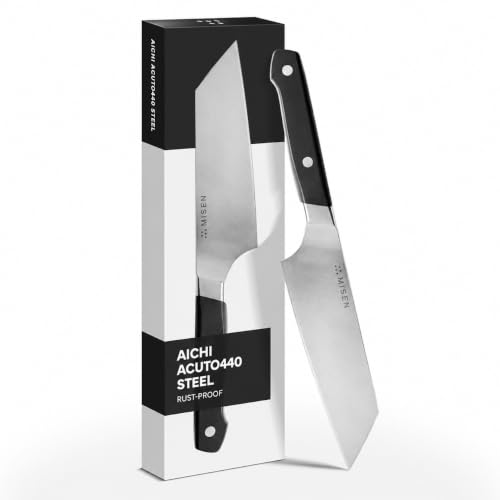
The Misen 6-inch bunka uses AICHI ACUTO440 high-carbon stainless steel, as stated in its product title. The short blade and triangular tip are designed for nimble kitchen work, while the listing calls it rust-proof. Its mix of compact size and stainless construction makes it a practical option for cooks who want easier daily care.
At six inches, this knife may feel at home on a small board or in a busy kitchen drawer. Its triangular tip can help with precise cuts, and the product title describes an ergonomic handle. It may suit home cooks who want a small utility knife for vegetables, meat, and other common prep.
Stainless construction can make routine care easier, but hand washing and prompt drying remain sensible habits. The product title lists a black handle, though it does not give further build details. This compact bunka may offer useful everyday value if its size and current price fit your needs.
Why It’s Great
- ACUTO440 high-carbon stainless steel is named in the listing
- Six-inch blade can fit smaller boards and tight spaces
- Triangular tip supports precise kitchen cuts
- Product title describes an ergonomic handle
- Stainless steel can suit cooks seeking simpler upkeep
Good to Know
- A six-inch blade offers less reach than longer bunka knives
- The provided details do not state blade hardness or weight
- Check the current listing for full care and warranty terms
5.
Enso HD 7-Inch Bunka Knife
 Check Price on Amazon
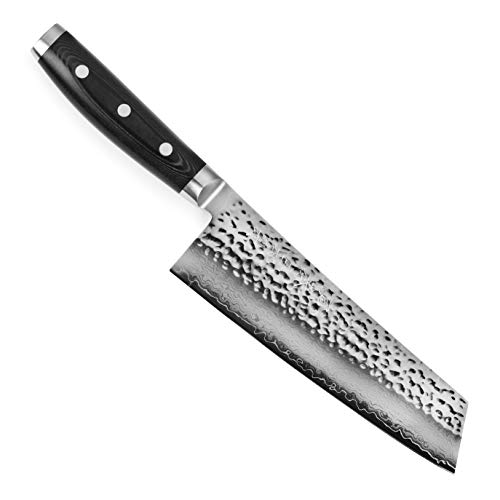
The Enso HD is a 7-inch bunka made in Japan, with VG10 hammered Damascus stainless steel listed in its product name. Its longer blade offers more reach than the compact models here. The hammered finish gives it a distinctive look, while the stainless steel construction may appeal to cooks who prefer less rust-prone care.
A seven-inch blade can support longer slicing strokes and prep of larger vegetables, though it needs more board space than a six-inch knife. The bunka point still offers a precise tip for smaller jobs. This knife may suit cooks who want a longer Japanese-style blade with a striking finish.
Stainless steel is still best washed and dried by hand to protect the edge and finish. The product details supplied do not confirm handle material, weight, or hardness, so verify them on the listing. Its value rests on your preference for the longer blade and Damascus look.
Why It’s Great
- Seven-inch blade gives extra reach for larger prep
- VG10 stainless steel is identified in the product name
- Hammered Damascus finish adds visual appeal
- Made in Japan, according to the listing title
- Bunka tip can support both broad and precise cuts
Good to Know
- The longer blade may feel large on a small board
- The supplied details do not state weight or handle material
- A decorative finish does not replace good care and sharpening
Final Thoughts: The Verdict
My personal top pick is the MIYABI Mizu SG2 6.5-inch Bunka Knife. Its compact size and SG2 steel make it a compelling choice for cooks seeking a premium, versatile blade. It earns the top spot in this guide for pairing a nimble length with a clearly named steel, though buyers should confirm the full specifications and care guidance before ordering.
For carbon-steel fans, the YOSHIDAHAMONO 190mm Aogami #2 Bunka offers stated steel, hardness, weight, and handle details. The Misen suits shoppers who want a compact stainless option, while the Enso gives more reach. Choose the best bunka knife for your board, care habits, and budget.
2 thoughts on “Best Bunka Knife: How To Choose The Right One”
Comments are closed.