
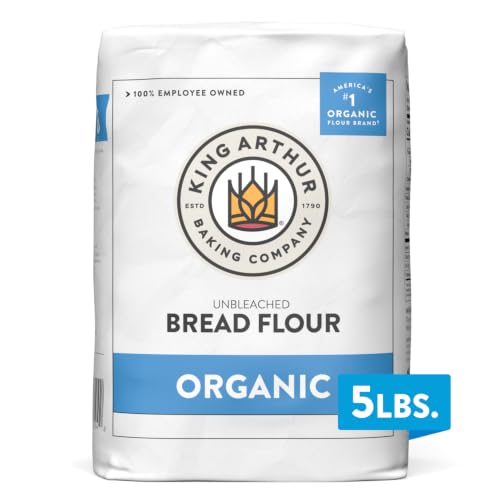
King Arthur Organic Bread Flour is my top pick for strong, airy, and flavorful sourdough loaves.
Many home bakers know the feeling: your starter looks active, yet the dough spreads, feels weak, or bakes into a heavy loaf. The flour often makes the difference. A good bread flour gives sourdough enough strength to hold gas, rise well, and develop a crisp crust. I compared five useful options, from organic high-protein flour to heritage blends and rye flour. Each one suits a different baker, budget, and loaf style. My goal is to help you choose flour that works well in a real home kitchen, not just on paper.
See the differences between my top picks at a glance.
| Flour | Type | Best For | Pack | Buy |
|---|---|---|---|---|
| King Arthur Organic Bread Flour | Organic, unbleached | Everyday sourdough | 5 lb | View on Amazon |
| King Arthur Organic Bread Flour 2-Pack | Organic, unbleached | Frequent bakers | Two 5-lb bags | View on Amazon |
| Amazon Grocery Bread Flour | Enriched, unbleached | Value baking | 5 lb | View on Amazon |
| Sunrise Heritage Flour Blend | Organic heritage blend | Flavor-focused loaves | 5 lb | View on Amazon |
| King Arthur Organic Medium Rye | Organic rye | Rye blends and flavor | 3 lb | View on Amazon |
King Arthur Organic Bread Flour

King Arthur Organic Bread Flour is the most balanced choice in this review. It is unbleached and made from organic wheat. The flour gives sourdough dough a firm feel without making it hard to work. I like it for lean loaves, sandwich bread, rolls, and pizza dough.
Its main strength is its wide use. A new baker can learn with it, while an experienced baker can adjust hydration and fermentation with confidence. It also works well when mixed with whole wheat or rye. For most people seeking the best bread flour sourdough results, this bag offers a dependable starting point.
Pros:
- Organic and unbleached flour
- Strong choice for daily sourdough baking
- Works well in lean bread and rolls
- Easy to combine with whole wheat or rye
- Useful for both new and skilled bakers
- Five-pound size suits normal home use
Cons:
- The single bag may not suit high-volume bakers
- Organic flour can cost more than basic store brands
- Results still depend on starter strength and dough handling
What Amazon Buyers Are Saying
Customer feedback commonly points to reliable dough strength and a clean wheat taste. Many buyers use it for sourdough, pizza, and other yeast breads. Bakers also tend to like the organic label and the fact that the flour is unbleached.
Some buyers mention that flour texture and performance can vary by storage, climate, and batch. A few shoppers also find the price higher than standard flour. Those points are normal for an organic product and do not remove its value for bakers who want consistent everyday flour.
My Recommendation
I recommend this flour for most home sourdough bakers. It gives a good mix of strength, flavor, and ease of use. Start with your usual recipe, then change water in small amounts because flour can behave differently in each kitchen. Overall, it is worth buying for regular bread baking.
| Category | Rating |
|---|---|
| Dough strength | 4.8/5 |
| Flavor | 4.7/5 |
| Ease of use | 4.8/5 |
| Value | 4.4/5 |
| Overall Rating | 4.7/5 |
King Arthur Organic Bread Flour 2-Pack
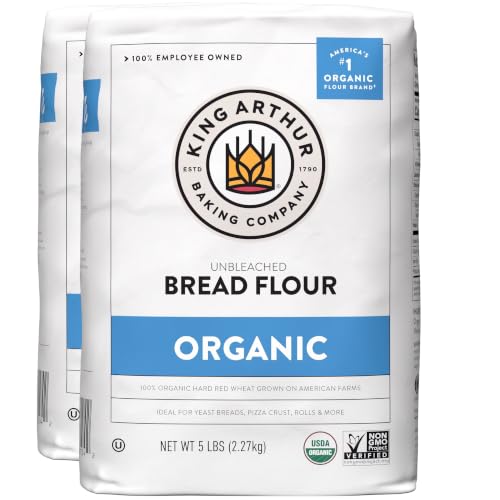
This two-pack contains the same type of organic, unbleached bread flour as the single-bag option. The main difference is buying quantity. That makes it useful for people who bake several loaves each week or want flour ready for a long baking schedule.
I see this pack as a practical choice rather than a different formula. It can reduce the need to reorder after every few bakes. Still, storage matters. Keep unopened flour in a cool, dry place, and use a sealed container after opening to protect it from moisture and pests.
Pros:
- Two five-pound bags support frequent baking
- Organic and unbleached flour
- Strong fit for repeat sourdough recipes
- Convenient for families and busy bakers
- Works for bread, pizza, and rolls
- Helps reduce how often you reorder
Cons:
- Higher upfront cost than one bag
- Needs more storage space
- Not ideal if you bake only once in a while
What Amazon Buyers Are Saying
Buyers who choose this pack often focus on convenience. They like having extra flour on hand for repeated bread baking. The organic wheat, unbleached flour, and familiar King Arthur name also appear to be strong reasons for purchase.
The main concern for some shoppers is freshness after opening the second bag. That concern is easy to manage with careful storage. Buyers should also compare the current pack price with the price of two single bags, since Amazon prices can change.
My Recommendation
This pack is a smart buy for active sourdough bakers who already know they like the flour. It gives the same useful performance as the single bag, but the value depends on the live price and your storage space. I would choose it for weekly baking, not occasional baking.
| Category | Rating |
|---|---|
| Dough strength | 4.8/5 |
| Flavor | 4.7/5 |
| Bulk convenience | 4.9/5 |
| Value | 4.5/5 |
| Overall Rating | 4.7/5 |
Amazon Grocery Enriched Bread Flour

Amazon Grocery Enriched Bread Flour is a simple option for bakers who want bread flour at a practical price. It is unbleached and enriched. The five-pound bag fits normal home baking, so it does not create a large storage problem.
Enriched flour can work in sourdough, but it may give a different flavor and dough feel than organic or heritage flour. I would use it for basic loaves, toast bread, buns, and practice batches. It is also a reasonable way to test a new recipe before spending more on specialty flour.
Pros:
- Unbleached bread flour
- Practical five-pound size
- Good choice for basic bread recipes
- Useful for testing sourdough methods
- May offer a lower-cost entry point
- Works beyond sourdough, including rolls and buns
Cons:
- Enriched flour may not suit every baker’s preference
- Flavor may seem less distinctive than heritage flour
- Performance can vary with hydration and fermentation
What Amazon Buyers Are Saying
Feedback around grocery bread flour often centers on convenience and price. Buyers tend to value a flour that arrives at the door and works for common baking tasks. Some home cooks also like having a general-purpose bread flour for more than one recipe.
The most likely points of concern are price changes, package condition, and personal taste. Marketplace buyers should check the current seller, date, and package details before ordering. Sourdough results also depend heavily on the starter, water, room temperature, and mixing method.
My Recommendation
I recommend this flour for budget-minded bakers and beginners who need a useful test flour. It may not be my first pick for a special artisan loaf, but it can serve well in daily bread. Buy it when the price is favorable and your goal is practical baking rather than a distinctive grain profile.
| Category | Rating |
|---|---|
| Dough strength | 4.2/5 |
| Flavor | 4.0/5 |
| Everyday use | 4.4/5 |
| Value | 4.5/5 |
| Overall Rating | 4.3/5 |
Sunrise Heritage Organic Flour Blend

Sunrise Flour Mill Heritage Organic Bread Flour Blend is aimed at bakers who care about grain flavor as much as loaf height. The product uses an organic heritage blend and is described as unbleached. Its profile may appeal to people who find standard bread flour too plain.
This flour can bring a smooth, nutty note to sourdough. The product listing also highlights high protein and easy digestion, but I would treat digestion claims as personal rather than guaranteed. Every baker reacts to wheat and fermentation in a different way. Use a smaller test batch first if you are changing from a familiar flour.
Pros:
- Organic heritage flour blend
- Designed for a richer grain taste
- High-protein style suits bread baking
- Unbleached flour supports a natural color
- Good option for flavor-focused sourdough
- Five-pound bag fits home use
Cons:
- Specialty flour may cost more
- Heritage wheat may behave differently from standard bread flour
- Some bakers may need to adjust water and mixing
What Amazon Buyers Are Saying
Buyers who enjoy this blend often focus on its taste. The smooth and nutty flavor is a key reason to try it. Some home bakers also appreciate the organic positioning and the chance to use a flour that feels less ordinary than a standard grocery product.
Specialty flour reviews can vary because baking methods differ. Some customers may expect the same rise as a familiar high-gluten flour and need time to adjust. I suggest reading recent reviews for current package condition and checking the seller before purchase.
My Recommendation
I recommend this flour to experienced bakers who want more character in their sourdough. It is not the safest first choice for someone still learning dough strength and hydration. For flavor-led baking, though, it is one of the more interesting options here. Overall, I rate it highly for taste and variety.
| Category | Rating |
|---|---|
| Dough strength | 4.5/5 |
| Grain flavor | 4.8/5 |
| Versatility | 4.3/5 |
| Value | 4.1/5 |
| Overall Rating | 4.5/5 |
King Arthur Organic Medium Rye Flour

King Arthur Organic Medium Rye Flour is not a standard white bread flour. It is a specialty ingredient for bakers who want deeper flavor, darker color, and a more complex loaf. The product is organic, made from U.S.-grown and milled grain, and sold in a three-pound bag.
Rye flour contains less gluten-forming protein than wheat bread flour, so I would not use it alone for a tall, open sourdough loaf. Instead, add a modest portion to wheat flour. Rye can also help build a lively starter because it contains useful nutrients and absorbs water well. Adjust your dough slowly, since rye can make dough feel sticky.
Pros:
- Organic rye flour with a deep grain taste
- Excellent for rye sourdough blends
- Adds color and complexity to wheat bread
- Useful for feeding or refreshing a starter
- Works in cookies and other baked goods
- Three-pound size limits long-term storage needs
Cons:
- Not a direct replacement for wheat bread flour
- Can make dough sticky at higher percentages
- May produce a denser loaf when overused
What Amazon Buyers Are Saying
Buyers usually choose this flour for its bold flavor and its use in rye bread. Many appreciate the organic label and the ability to add rye to a wheat-based recipe. It also attracts bakers who want a more complex starter or a darker loaf.
The main issue is often expectation. A shopper seeking a tall white sourdough loaf may not enjoy the result if they use too much rye. The best approach is to blend it with bread flour and increase the rye amount over time as you learn how the dough feels.
My Recommendation
I recommend this flour as a blend ingredient, not as your only bread flour. Start with 10% to 20% rye in a wheat-based recipe and adjust from there. It is worth buying if you enjoy bold flavor or want to explore rye sourdough. It is less suitable for a plain white loaf.
| Category | Rating |
|---|---|
| Rye flavor | 4.9/5 |
| Blend performance | 4.6/5 |
| Versatility | 4.4/5 |
| Value | 4.3/5 |
| Overall Rating | 4.6/5 |
How to Choose the Best Bread Flour Sourdough
Choosing the best bread flour sourdough depends on your recipe, skill level, and taste. Flour is important, but it does not work alone. Starter health, water, room temperature, shaping, and proof time all affect the final loaf. Use the points below to choose a flour that fits your baking habits.
1. Match Protein Strength to Your Loaf
Bread flour usually has more protein than all-purpose flour. That protein helps form gluten. Gluten gives dough the strength to trap gas from the starter. A strong wheat bread flour suits tall loaves and dough with more water.
Do not chase the highest protein number without a plan. A very strong flour may feel tight and need more mixing or water. For most home bakers, a balanced organic bread flour is easier to use than an extreme flour. If your dough spreads, try stronger flour, better shaping, or a shorter proof before changing many things at once.
2. Choose the Grain and Flour Type
Unbleached flour keeps a more natural wheat color and flavor. Organic flour may appeal to shoppers who want organic wheat and a simple ingredient list. Enriched flour adds nutrients during processing, but it may not give the same flavor as a specialty or heritage blend.
Rye and whole grain flour bring more taste and color. They also absorb water in a different way. Use them as part of a blend when you want a complex loaf. If you want an open, light crumb, keep the rye portion modest. If you want a hearty loaf, raise the amount slowly and watch the dough.
3. Compare Freshness, Storage, and Cost
Fresh flour should smell clean and mild. A stale or musty smell is a reason to stop and inspect the package. Check the bag for tears, moisture, and the best-by date when it arrives. Amazon prices and sellers can change, so compare the cost per pound before ordering a single bag or multipack.
Store flour in a cool, dry place. A sealed container helps prevent moisture and pests. If you buy a two-pack, keep the second bag sealed until you need it. The best bread flour sourdough cannot perform well if it absorbs damp air or sits near heat.
Final Verdict: Which Should You Buy?
For most bakers, King Arthur Organic Bread Flour is the best bread flour sourdough choice. It offers strong dough, clean flavor, and broad use. Choose the two-pack for frequent baking, Sunrise for heritage flavor, Amazon Grocery for value, and King Arthur Rye for blended loaves.
Start with a trusted flour, keep notes, and change one variable at a time. Good storage and a healthy starter matter as much as the bag you buy.
FAQs Of best bread flour sourdough
What is the best bread flour for sourdough beginners?
King Arthur Organic Bread Flour is a strong beginner choice because it is versatile, easy to find, and suitable for many sourdough recipes.
Can I use enriched bread flour for sourdough?
Yes. Enriched bread flour can work in sourdough. Your dough may taste and feel different from dough made with organic or heritage flour.
Is rye flour good for sourdough bread?
Yes. Rye adds rich flavor and color. Mix it with wheat bread flour if you want better structure and a lighter loaf.
How should I store sourdough bread flour?
Keep flour sealed in a cool, dry place. Protect it from moisture, heat, pests, and strong odors.
Should I buy a two-pack of bread flour?
A two-pack makes sense if you bake often and have dry storage space. Occasional bakers may prefer one bag to protect freshness and reduce waste.