
The best bread baking pans deliver even heat, easy release, sturdy handling, and the right shape for your favorite loaves.
Have you ever pulled a loaf from the oven only to find a pale side, a stuck crust, or a pan that warps after a few uses? The right bread pan can solve these common problems. I compared five useful options for sandwich bread, sourdough, baguettes, quick bread, and more. My picks include easy-clean steel, heat-holding cast iron, glass with lids, and a perforated baguette tray. Each one suits a different baking style, so the best choice depends on the bread you make most often.
See the differences between my top picks at a glance.
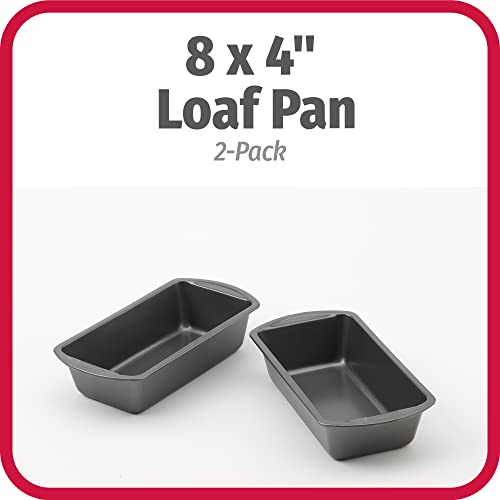
GoodCook Nonstick Loaf Pan Set

The GoodCook set is a practical choice for home bakers who want two standard loaf pans at once. Each pan measures 8 x 4 inches and uses heavy-duty steel with an easy-clean nonstick coating. This size works well for smaller sandwich loaves, banana bread, meatloaf, and many casserole recipes. The two-pan format also helps when you want to bake two loaves in one session.
I like the simple design because it does not add features that most daily bakers do not need. The nonstick surface can make bread removal easier, especially when you grease the pan lightly and let the loaf cool for a few minutes. The product listing also identifies the pans as oven and dishwasher safe. Still, hand washing may help protect the coating over time.
Pros:
- Includes two matching loaf pans
- Useful 8 x 4-inch size for smaller loaves
- Nonstick coating helps with release
- Steel construction feels suited to regular baking
- Works for bread, meatloaf, lasagna, and casseroles
- Dishwasher-safe design adds cleaning convenience
Cons:
- The smaller size may not suit large one-pound or family-size recipes
- Nonstick coatings need gentle tools and careful cleaning
- Steel may brown bread differently from glass or cast iron
What Amazon Buyers Are Saying
Available buyer feedback commonly focuses on the value of receiving two pans and the ease of releasing baked food. Buyers also tend to like the lightweight feel and the range of recipes they can make in the pans. As with many nonstick products, some users pay close attention to coating durability and cleaning methods. Results may vary with oven temperature, grease use, utensils, and dishwasher cycles.
My Recommendation
I recommend this set for beginners, families, and anyone who often bakes two smaller loaves. It offers strong everyday value, but I would choose another pan for large artisan loaves or heat-heavy crust work. Use silicone or wooden tools, avoid harsh scrubbers, and follow the care directions.
| Category | Rating |
|---|---|
| Build and handling | 4.2/5 |
| Release and cleanup | 4.3/5 |
| Baking versatility | 4.4/5 |
| Value | 4.5/5 |
| Overall Rating | 4.3/5 |
Northriver Casting Cast Iron Loaf Pan
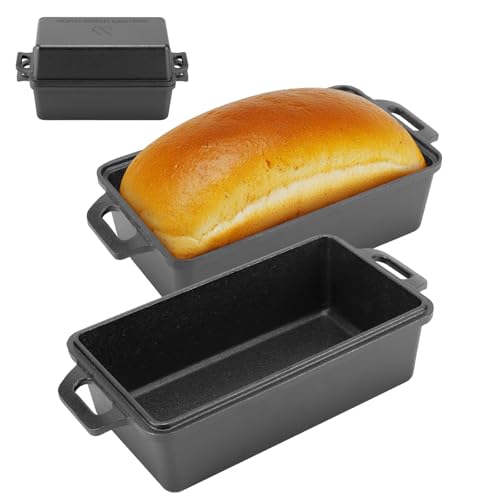
The Northriver Casting pan takes a different approach to bread baking. It uses cast iron and comes as a two-piece set with a lid. The listed size is 9 x 5 inches, which gives it a more traditional loaf-pan shape for larger bread, cake, and meatloaf recipes. Cast iron holds heat well, so it can support deep browning when you preheat it with care.
The lid is the standout feature. It may help shape a loaf and can be useful when a recipe benefits from a more enclosed baking space. Cast iron also adds weight and stability, which helps keep the pan steady as you load dough. However, it needs more care than a light nonstick pan. Keep it dry after washing, and follow the maker’s seasoning guidance if the surface requires it.
Pros:
- Cast iron offers strong heat retention
- 9 x 5-inch format suits larger loaf recipes
- Two-piece design includes a lid
- Heavy weight keeps the pan stable
- Can support bold browning and a firm crust
- Useful beyond bread for cakes and meatloaf
Cons:
- Heavier than steel, aluminum, or glass pans
- Cast iron needs proper drying and care
- Long preheating or heat changes may require extra attention
What Amazon Buyers Are Saying
Buyer comments for cast iron loaf pans often praise the solid feel, heat retention, and ability to make deeply colored crusts. Users who enjoy rustic bread tend to value the lid and the weight. Common concerns with this type of pan include its heft, storage space, and the need to prevent rust. Before buying, check the current listing and buyer photos for the latest details on finish, lid fit, and care.
My Recommendation
I recommend this pan for experienced bakers who want a sturdy tool for rustic loaves and do not mind extra care. It is not my first choice for a quick weekday bake or for anyone who finds heavy cookware difficult to lift. For crust-focused baking, its design gives it a clear advantage over thin, light pans.
| Category | Rating |
|---|---|
| Heat performance | 4.6/5 |
| Crust potential | 4.6/5 |
| Ease of care | 3.6/5 |
| Versatility | 4.2/5 |
| Overall Rating | 4.3/5 |
USA Pan Standard Nonstick Bread Pan
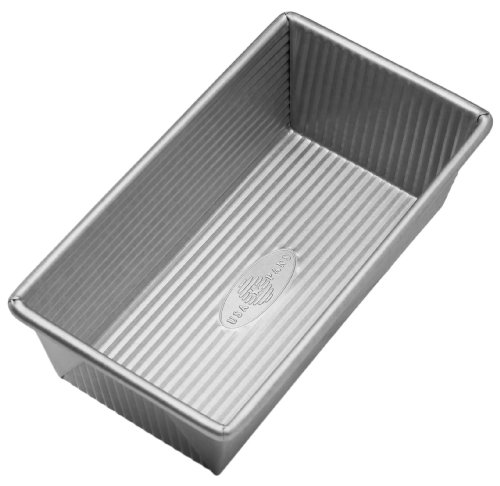
The USA Pan Standard Bread Loaf Pan is a focused choice for classic sandwich bread. It uses aluminized steel and is listed as a one-pound standard bread loaf pan. This material offers a useful balance of strength and heat response for home baking. The nonstick baking surface should also help the finished loaf come out with less sticking.
This pan makes sense when you want one dependable pan rather than a multi-piece set. Its standard format fits many bread recipes, though recipe volume still matters. I would grease the pan as directed, avoid metal utensils, and allow the loaf to loosen before turning it out. The pan is less flexible than a set, but its simple design suits bakers who know the size they need.
Pros:
- Designed for standard bread loaf recipes
- Aluminized steel construction
- Nonstick surface supports easier release
- Single-pan design takes little storage space
- Good fit for sandwich bread and standard yeast loaves
- Focused design avoids unnecessary extras
Cons:
- Only one pan comes in the listed package
- May not suit oversized loaves or long baguettes
- Nonstick care is important for long-term use
What Amazon Buyers Are Saying
Feedback on this style of USA Pan loaf pan often highlights its sturdy feel, loaf shape, and release performance. Buyers who bake sandwich bread regularly tend to appreciate having a dedicated standard pan. Some users may find the size too small for recipes written for larger pans, so compare the recipe dimensions before ordering. Always review the current Amazon listing for updated care notes and customer comments.
My Recommendation
This is one of my strongest picks for a baker who mainly makes standard sandwich bread. It offers a good mix of focused design, steel construction, and nonstick convenience. I would skip it only if you need a lid, glass storage, multiple pans, or a special baguette shape.
| Category | Rating |
|---|---|
| Pan construction | 4.6/5 |
| Loaf release | 4.5/5 |
| Bread suitability | 4.7/5 |
| Value | 4.3/5 |
| Overall Rating | 4.5/5 |
Razab Glass Loaf Pans With Lids

The Razab set brings baking and storage together. It includes two glass loaf pans with lids, and each pan is listed at 7.6 cups, or 1.9 quarts. Glass lets you see the sides and bottom of the bake, which can help you judge browning. The included lids also make the pans useful after baking, especially for storing bread, quick bread, or other prepared foods.
Glass has a different baking feel from metal. It may heat more slowly, and the visible sides can help you watch the loaf as it colors. I would avoid sudden temperature changes, follow the maker’s safety directions, and use care when moving a hot glass pan. This set stands out for households that want fewer dishes and a simple path from oven to storage.
Pros:
- Includes two glass loaf pans
- Lids support covered storage
- 7.6-cup capacity gives useful room for many recipes
- Clear sides make browning easier to watch
- Useful for bread and non-baking storage tasks
- Good option for meal prep and leftovers
Cons:
- Glass can break if dropped or exposed to sudden temperature change
- May heat and brown differently from metal pans
- Lids may add storage space needs
What Amazon Buyers Are Saying
Available buyer feedback for glass loaf-pan sets often centers on the clear design, included lids, and storage value. Many users like the ability to cover food after baking rather than transfer it to another container. The most common concern with glass cookware is careful handling, especially around thermal shock and drops. Check the current listing for the latest information about lid use, oven limits, and cleaning instructions.
My Recommendation
I recommend the Razab set for bakers who value storage as much as baking. It is especially useful in a busy kitchen where the same pan may hold, bake, and store food. Choose steel instead if you want faster browning or a lighter pan. Choose cast iron if crust and heat retention matter most.
| Category | Rating |
|---|---|
| Baking visibility | 4.6/5 |
| Storage function | 4.8/5 |
| Handling | 4.0/5 |
| Versatility | 4.5/5 |
| Overall Rating | 4.4/5 |
Pavsrmy Four-Loaf Baguette Pan

The Pavsrmy pan serves a very specific need: shaped French bread. It is a nonstick, perforated baguette tray with four loaf channels. The channels help keep long dough pieces in place as they rise and bake. Small openings in the tray can support air movement around the dough, while the shaped design helps form narrow baguettes.
This is not a replacement for a standard loaf pan. It targets baguettes, Italian bread, sourdough-style long loaves, and similar doughs. The four-loaf layout may save time when you want several smaller loaves in one bake. Measure your oven before buying, use gentle tools on the nonstick surface, and allow room around the pan for safe handling.
Pros:
- Designed for four baguette-style loaves
- Perforated surface supports airflow around the dough
- Nonstick finish may ease release
- Channels help shape long loaves
- Useful for French bread and Italian bread
- Can increase output during one baking session
Cons:
- Not suited to normal sandwich loaves
- Long trays may need more storage space
- Thin dough or poor shaping may still spread between channels
What Amazon Buyers Are Saying
Buyer feedback on perforated baguette trays often focuses on the convenience of making several shaped loaves at once. Users who already bake French bread tend to value the channels and nonstick surface. Some buyers may need to adjust dough size, proofing time, or oven placement to match the tray. Since baguette pans vary in width and stiffness, check the current listing photos and dimensions before ordering.
My Recommendation
I recommend this tray to bread lovers who regularly make baguettes. It offers more value than a standard loaf pan for that task, but little value if you mostly bake sandwich bread or banana bread. For a dedicated French bread setup, the four-channel design is its main strength.
| Category | Rating |
|---|---|
| Baguette shaping | 4.7/5 |
| Capacity | 4.6/5 |
| Release and cleanup | 4.2/5 |
| General versatility | 3.5/5 |
| Overall Rating | 4.3/5 |
How to Choose the Best Bread Baking Pans
Choosing the best bread baking pans starts with the loaf you bake most. A baguette tray cannot replace a sandwich bread pan. A heavy cast iron pan offers a different result from a light nonstick steel pan. I look at shape, material, care, recipe size, and price before I buy. These points help match the pan to your real kitchen needs.
1. Match the Pan Shape to Your Bread
First, check the shape of your favorite dough. A standard loaf pan suits sandwich bread, pound cake, banana bread, and meatloaf. An 8 x 4-inch pan often suits smaller loaves, while a 9 x 5-inch pan gives more room for larger recipes. Do not assume that every loaf recipe uses the same volume.
Baguette dough needs a long channel, not a deep rectangular pan. A perforated baguette tray can help support the long form and keep several loaves separate. For rustic bread, a cast iron pan with a lid may suit your method better. The pan should support the dough without crowding it during the final rise.
2. Compare Steel, Cast Iron, Glass, and Nonstick Surfaces
Material changes how a pan feels and bakes. Steel pans are often light and responsive. Nonstick surfaces can make release easier, but they need soft tools and gentle cleaning. Aluminized steel combines a steel base with an aluminum coating and works well for many standard bread recipes.
Cast iron is heavy and holds heat for a long time. That can help bakers who want a firm, dark crust. It also needs more care and may take longer to heat. Glass lets you see the sides and bottom of the loaf. It can also move from baking to storage when the set includes lids, but you must avoid sudden temperature changes.
Read the care instructions before you buy. “Dishwasher safe” does not mean every cleaning method gives the same long-term result. Hand washing often protects nonstick finishes. For cast iron, dry the pan fully and follow its seasoning directions. For glass, inspect it for chips and handle it with care.
3. Check Size, Oven Space, and Long-Term Value
Measure your oven rack and storage shelf. A four-loaf baguette tray may need more width than a standard loaf pan. Also check whether the pan fits beside other cookware in your oven. Good airflow around the pan helps you handle it safely and may support more even baking.
Think about how often you bake. A two-pan set gives value when you often bake several loaves. One dedicated standard pan may offer better value when you bake only one loaf at a time. A glass set with lids can reduce the need for extra storage containers. A cast iron pan may cost more effort, but it can suit a baker who wants one rugged, crust-focused tool.
Finally, compare the pan with your recipes. Look at stated capacity, dimensions, and dough weight. Use the correct temperature for the material and watch the loaf during the first bake. Even the best bread baking pans need the right dough amount, proof time, rack position, and oven setting.
Final Verdict: Which Should You Buy?
For most home bakers, I recommend the USA Pan Standard Bread Loaf Pan for dependable sandwich bread. Choose GoodCook for two smaller pans, Northriver for rustic crust, Razab for bake-and-store use, and Pavsrmy for baguettes.
The best bread baking pans match your recipes, oven, and care habits. Pick the shape you will use most, then compare material, size, release, and cleanup.
FAQs Of best bread baking pans
What is the best material for a bread baking pan?
Steel works well for many daily loaves. Cast iron suits heat-heavy crust baking, while glass helps with visibility and storage. The best material depends on your recipe and care preferences.
Are nonstick loaf pans good for bread?
Yes. Nonstick loaf pans can make release easier. Use soft tools, avoid harsh scrubbers, and follow the maker’s cleaning directions to protect the coating.
What size loaf pan should I buy?
Check your recipe first. An 8 x 4-inch pan suits smaller loaves, while a 9 x 5-inch pan offers more room. Recipe volume and dough weight matter more than the label alone.
Can I bake baguettes in a regular loaf pan?
You can bake the dough, but it will not keep the long baguette shape. A perforated baguette pan gives long dough pieces separate channels and better support.
How do I stop bread from sticking to a loaf pan?
Grease the pan as directed, use the correct amount of dough, and let the loaf rest briefly after baking. A nonstick pan can help, but careful release still matters.