
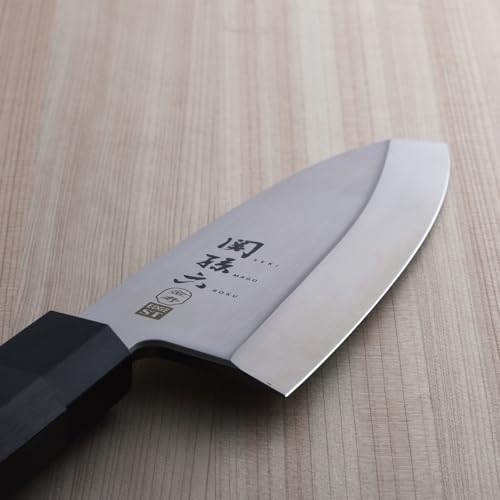
A deba knife is a sturdy Japanese knife made for fish work, from trimming and filleting to cutting through small bones. Home cooks and seafood fans buy one for its control and heft. The best deba knife depends on your fish, skill, and preferred blade style.
A poor pick can turn a simple fish prep into a chore. A blade that is too short may slow work on larger fish, while a heavy knife can tire your hand during fine cuts. Buyers also mix up single- and double-bevel designs, then find the knife does not suit their cutting style. Some deba knives need careful sharpening and drying, too. Choosing well matters: the right blade feels steady, makes clean cuts, and helps you work with less waste and less stress.
I focused on the details that matter at the cutting board: blade length, steel type, bevel, handle shape, and care needs. I compared the listed features of five deba knives, from established Japanese makers to accessible options for home cooks. This guide prioritizes clear trade-offs, practical fit, and helping you choose the best deba knife for your kitchen.
What you’ll learn
- How single- and double-bevel deba knives differ
- Which blade length may suit your fish and kitchen tasks
- What to consider about steel, handles, and upkeep
- How the five listed knives compare for different cooks
In This Article
How To Choose The Best best deba knife
The right deba can make fish prep feel calm and controlled; the wrong one can feel awkward from the first cut. A common mistake is buying by length or price alone, without checking the bevel, steel, and handle. A low-quality or poorly suited knife may need frequent care or feel clumsy in your hand. Before you buy the best deba knife for your kitchen, think about the fish you prepare, your cutting habits, and how much care you will give the blade.
Choose the Right Blade Length
Blade length affects reach, control, and storage. A shorter deba, such as a 6-inch model, can feel nimble for small fish and home kitchens. A 165 mm or 180 mm blade offers more reach for larger fish and broader cuts, but may feel less handy in a tight workspace. Do not assume longer is always better. Match the blade to the fish you often prepare and your comfort with a heavier knife. If you are new to deba knives, a compact blade may be easier to manage.
Check the Bevel and Steel
Traditional deba knives are often single bevel, which can support precise fish cuts but takes practice and a suitable sharpening method. The KEEMAKE listing specifies a double-bevel blade, a style many cooks find more familiar. Steel also affects care: stainless steel is generally easier to maintain, while high-carbon steel needs prompt drying to help limit rust. Read the model details instead of relying on the word Japanese alone. The best deba knife is one whose edge style and care needs fit your skill and routine.
Consider the Handle and Upkeep
A secure, comfortable handle matters when your hands are wet and the knife is in use. The listed options include octagonal wood handles and a stained wood handle, so check which shape and feel suit your grip. Also consider how you will clean and store the knife. Hand-wash it, dry it soon after use, and use a cutting board that will not damage the edge. Avoid using a deba as a cleaver on large, hard bones. Good habits help preserve the blade and its value.
Quick Comparison
| Model | Category | Best For | Key Spec | Amazon |
|---|---|---|---|---|
| Kai Seki Magoroku Kinju ST 180mm | Best Overall | Cooks seeking a longer Japanese blade | 180 mm; model AK-1103 | Amazon |
| KEEMAKE 6-Inch Deba | Double Bevel | Cooks who prefer a familiar bevel | 440C stainless steel; G10 bolster | Amazon |
| imarku 7-Inch Deba | Long Blade | Home and restaurant fish prep | 7-inch; single bevel listing | Amazon |
| Sakai Takayuki Kasumitogi 165mm | Traditional Style | Cooks comfortable with carbon steel care | Yasuki White Steel; 165 mm | Amazon |
| JapanBargain 6.25-Inch Deba | Budget Pick | Value-minded home seafood cooks | High-carbon stainless; single bevel listing | Amazon |
In-Depth Reviews for best deba knife
1.
Kai Seki Magoroku Kinju ST 180mm Deba
 Check Price on Amazon
The Kai Seki Magoroku Kinju ST is a Japanese deba knife with a 180 mm blade. That length gives you useful reach for fish prep and larger cuts. Its established maker name and focused design make it a strong choice for cooks who want a dedicated seafood knife. Check the listing for current details before buying.
This longer blade may suit confident home cooks who prepare whole fish or want more reach at the board. Its deba shape is built for controlled fish work, rather than general chopping. Consider your grip, storage space, and comfort with a full-size knife. For shoppers seeking the best deba knife with room to work, this is a compelling option.
As with any quality knife, hand-wash and dry it soon after use. Use a suitable board and keep the edge protected in storage. The 180 mm length offers useful versatility, though the best value depends on whether you need a dedicated fish knife.
Why It’s Great
- 180 mm length offers reach for larger fish and broad cuts.
- Dedicated deba form is suited to seafood preparation.
- A Japanese maker offers a clear point of distinction.
- Useful pick for cooks ready for a full-size blade.
- Focused design can complement a general-purpose kitchen knife.
Good to Know
- The longer blade may feel less nimble in a small kitchen.
- The product listing should be checked for exact edge and steel details.
- A deba is not a substitute for a cleaver on large, hard bones.
2.
KEEMAKE 6-Inch Double-Bevel Deba Knife
 Check Price on Amazon
The KEEMAKE deba knife pairs a 6-inch blade with 440C stainless steel and a double-bevel edge, according to its listing. That bevel can feel familiar to cooks used to standard Western knives. Its compact size is suited to fish and fillet work at home. These stated features make it distinct among the knives in this guide.
An octagonal wood handle and G10 bolster give this model a different feel from a plain, round grip. The 6-inch blade may suit cooks who want closer control or have limited board space. It is a practical choice for home seafood prep, especially for buyers who prefer a double-bevel knife over a traditional single-bevel style.
Hand-wash and dry the knife after use, even with stainless steel. Keep the edge away from hard surfaces and store it safely. The listed materials and compact format offer appealing features, but value will depend on fit, finish, and your preferred sharpening routine.
Why It’s Great
- Double bevel may feel familiar to many home cooks.
- 6-inch size is convenient for smaller work areas.
- 440C stainless steel is specified in the product listing.
- Octagonal wood handle offers a shaped grip.
- G10 bolster is a stated design feature.
Good to Know
- A double bevel differs from the traditional single-bevel deba style.
- Wood handles need care and should not be left wet.
- Confirm the blade dimensions and care directions in the current listing.
3.
imarku 7-Inch Single-Bevel Deba Knife
 Check Price on Amazon
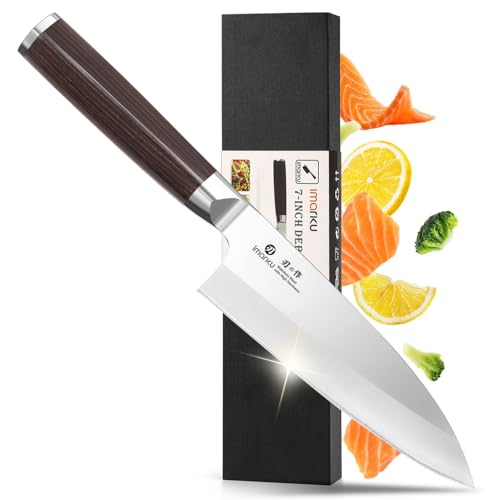
The imarku 7-inch deba is listed with a single-bevel stainless steel blade and a stained wood handle. Its longer edge can offer useful reach for fish cutting and fillet tasks. The listing also presents it for home kitchens and professional restaurant use. It stands out for buyers seeking a long blade at this size.
A 7-inch blade may suit cooks who handle larger fish or prefer a longer cutting path. The single-bevel design calls for attention to edge orientation and technique, so it may take practice for new users. This knife is best for someone who wants a dedicated fish tool and has room to work safely.
Clean by hand, dry the blade and handle promptly, and store the knife so its edge stays protected. The stated stainless steel and wood handle create a familiar look. Check the current listing for detailed care and steel information before judging its long-term value.
Why It’s Great
- 7-inch blade provides more reach than compact options.
- Single-bevel design is listed for focused fish work.
- Stainless steel is specified in the product title.
- Stained wood handle gives it a traditional look.
- The listing identifies both home and restaurant use.
Good to Know
- A 7-inch blade may be too large for tight workspaces.
- Single-bevel sharpening can require a learning curve.
- The listing title does not give a specific steel grade.
4.
Sakai Takayuki Kasumitogi 165mm Deba
 Check Price on Amazon
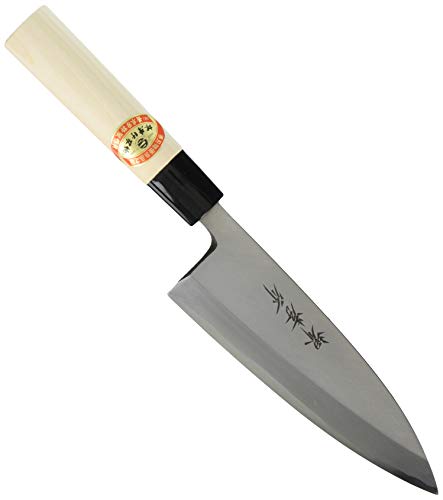
The Sakai Takayuki Kasumitogi is a 165 mm deba knife listed with Yasuki White Steel. Its length sits between compact and longer models, giving fish cooks a balanced size to consider. The named steel and traditional Japanese style make it appealing to shoppers who value a more classic approach to seafood preparation.
This model may suit cooks who are comfortable with careful knife handling and want a dedicated blade for fish. A 165 mm edge can feel manageable while still providing useful reach. White steel asks for more attentive care than many stainless choices, so it is best for users who will clean and dry the blade promptly.
Wash by hand, dry at once, and store it away from moisture. Carbon steel can need more care, but attentive upkeep helps protect the blade. Its named maker and steel may justify interest for traditional knife fans who accept that extra maintenance.
Why It’s Great
- 165 mm length offers a middle ground for reach and control.
- Yasuki White Steel is named in the product title.
- Sakai Takayuki is a recognizable Japanese knife maker.
- Kasumitogi series gives buyers a defined style to research.
- A strong choice for cooks who value traditional materials.
Good to Know
- White steel needs prompt cleaning and drying to help prevent rust.
- Sharpening may require more care than a basic stainless blade.
- Confirm the listed edge style and handle details before purchase.
5.
JapanBargain 6.25-Inch Deba Knife
 Check Price on Amazon
The JapanBargain deba is listed as a 6.25-inch fish butchering knife made in Japan, with high-carbon stainless steel and a wooden handle. Its compact length may suit everyday seafood prep without taking over the board. The single-bevel blade gives it a traditional point of difference in this value-minded group.
This knife may suit home cooks who want a dedicated fish tool at a modest size. The 6.25-inch blade can feel handy for smaller fish and close work. Since the listing describes a single bevel, buyers should check that style suits their cutting hand and sharpening experience before choosing it.
Hand-wash and dry the blade and wooden handle after each use. Store it safely and avoid using it on hard bones. Its listed materials and compact form may offer useful value, especially for cooks who want a fish knife without moving to a longer blade.
Why It’s Great
- Compact 6.25-inch size is easy to manage.
- High-carbon stainless steel is stated in the listing.
- Wooden handle offers a classic feel.
- The listing identifies it as made in Japan.
- Single-bevel design suits shoppers seeking a traditional format.
Good to Know
- Single-bevel use may take practice for new deba owners.
- The wooden handle should be dried promptly after washing.
- Verify the current listing for exact dimensions and care guidance.
Final Thoughts: The Verdict
My personal top pick is the Kai Seki Magoroku Kinju ST 180mm. Its useful reach and focused Japanese deba design make it my best deba knife choice for cooks who want a dedicated fish blade. The 165 mm Sakai Takayuki is a strong alternative for traditional knife fans who accept extra steel care.
For a compact double-bevel option, consider the KEEMAKE 6-Inch Deba. The JapanBargain model suits value-minded buyers, while imarku offers a longer 7-inch format. Choose based on your fish, grip, bevel preference, and care routine; the best deba knife is the one you can use safely and maintain with ease.