
An off-grid solar system pairs solar panels, batteries, and an inverter to supply power without relying on utility service. It can suit remote homes, cabins, workshops, and people planning for outages. Buyers choose the best off grid solar system to gain more control over where and how they use power.
A kit can look powerful on paper and still disappoint if its battery reserve is too small, its panels cannot meet daily demand, or key wiring parts are missing. Another common trap is treating inverter watts as proof that a system can run every appliance at once. That mismatch can leave a fridge, pump, or heater without power when you need it most. Careful sizing matters: a dependable system should match your actual loads, sun hours, weather, and plans for backup charging.
I compared the listed inverter ratings, panel wattage, battery details, and intended use of these five ECO-WORTHY kits. I also checked how the stated battery capacity compares with the voltage and amp-hour figures, since listing details can differ. This guide puts clear specs, practical fit, and careful system planning first, so you can choose the best off grid solar system for your needs.
What you’ll learn
- How inverter size differs from the energy stored in batteries.
- Which kit may fit a cabin, small home, or larger household.
- What battery and panel figures to check before you buy.
- Why installation, sun exposure, and backup plans affect real results.
In This Article
How To Choose The Best best off grid solar system
The right system should fit your daily energy use, not just look impressive in a product title. Small batteries can run dry overnight, while an oversized kit may cost more than your needs justify. Some packages may also need extra parts, professional wiring, or permits. Before buying the best off grid solar system, list your loads, check the full battery and panel specs, and plan for poor sun and seasonal changes.
Size the Inverter for Your Loads
An inverter turns battery power into the AC power many home devices use. Check both its continuous output and its surge rating, since motors in pumps and fridges can draw extra power at startup. A 10kW rating may suit several large loads, but it does not tell you how long the batteries can run them. Add up the wattage of devices you may use at the same time. Avoid assuming that every appliance can run together. A cabin with modest needs may prefer a smaller setup, while a full home needs a careful load plan.
Match Battery Capacity to Daily Use
Battery capacity affects how much power is available after sunset or during cloudy weather. Compare voltage and amp-hours, then estimate usable energy with the battery maker’s guidance. For example, 48 volts multiplied by 100 amp-hours is about 4.8kWh nominal per battery, before usable limits and system losses. Check that listed totals agree with the included battery count. Do not size storage from inverter watts alone. A short-stay cabin may need less reserve than a home that relies on solar every day.
Check Panel Output and Installation Needs
Panel wattage is a rated figure, not a promise of daily energy. Shade, roof angle, season, and location all change output. Check the kit’s panel count and total watts, plus inverter input limits and the right wiring for the array. Confirm whether mounting hardware, breakers, disconnects, and cables are included; do not assume a complete kit contains every item required by local code. A sunny, open site can make a larger array useful. For a shaded site, consider placement options and a backup charging plan.
Quick Comparison
| Model | Category | Best For | Key Spec | Amazon |
|---|---|---|---|---|
| ECO-WORTHY 10kW 5.31kW Solar Kit | High Output | Homes needing split-phase output and substantial storage | 10kW inverter; 5,310W panels; four 48V 100Ah batteries | Amazon |
| ECO-WORTHY 10kW 16.1kWh Kit | Whole-Home Kit | Buyers seeking a 10kW inverter and a compact array | 10kW inverter; 2,950W panels; 48V 314Ah battery listing | Amazon |
| ECO-WORTHY 9.36kWh 10kW Kit | Smaller Array | Cabins and homes with moderate energy needs | 10kW inverter; 2,340W panels; two 48V 100Ah batteries | Amazon |
| ECO-WORTHY 10kW 10.62kW Solar Kit | Large Array | Sites with room for a high-wattage panel array | 10kW inverter; 10,620W panels; two 48V 314Ah batteries listed | Amazon |
| ECO-WORTHY 9.44kW N-Type Kit | Rack-Ready Bundle | Buyers who want a server rack and a large panel set | 9,440W panel nameplate total; 10kW inverter; six 48V 100Ah batteries | Amazon |
In-Depth Reviews for best off grid solar system
1. ECO-WORTHY 10kW 5.31kW Solar Kit

This ECO-WORTHY kit pairs a 10kW, 120V/240V split-phase inverter with 5,310 watts of solar panels. It lists four 48V 100Ah batteries for storage. That combination offers strong inverter output and a sizable array for a remote home. The best off grid solar system still depends on local sun, loads, and careful setup.
Split-phase output can serve compatible 120V and 240V loads, which may help with common home circuits. The listed battery count gives buyers a clear starting point for planning, though confirm usable capacity and included controls before purchase. This setup may suit a household or workshop with high peak demand and room for panels.
The bundle can simplify sourcing, but panel mounts and some electrical safety parts may need separate planning. Check the manuals, warranty, and local code before installation. Since four 48V 100Ah batteries total about 19.2kWh nominal, verify the listing’s capacity claim. Its value depends on complete costs and load fit.
Why It’s Great
- 10kW inverter output supports substantial simultaneous loads when properly designed.
- Split-phase output is suited to compatible 120V and 240V equipment.
- The 5,310W panel rating offers a strong solar input foundation.
- Four listed batteries provide a useful storage base for planning.
- The package combines major system parts in one purchase.
Good to Know
- Four 48V 100Ah batteries equal about 19.2kWh nominal, so confirm any higher capacity claim with the seller.
- Actual solar yield varies with shade, season, weather, and panel angle.
- Installation may require added mounting parts, disconnects, permits, or a qualified electrician.
2. ECO-WORTHY 10kW 16.1kWh Solar Kit

This kit lists a 10kW 120V/240V split-phase inverter, a 2,950W panel array, and a 48V 314Ah battery. Its large inverter rating gives room for sizable loads, while the smaller array may suit sites with limited panel space. Compare daily energy needs with local sun before choosing the best off grid solar system.
The split-phase design can support compatible home circuits, but the array and storage should guide expectations for daily use. This package may fit buyers who need strong peak output more than fast battery recovery. Review the exact battery count and usable capacity, and plan panel placement before committing to a full installation.
A bundled inverter, battery, and panels can reduce the hunt for matching parts. Still, verify what cables, mounts, and protection devices come in the box. The stated 48V 314Ah equals about 15.1kWh nominal, not 16.1kWh, so ask the seller to clarify the capacity and included items.
Why It’s Great
- 10kW inverter output offers high peak power potential.
- Split-phase design can serve compatible 120V and 240V circuits.
- A 48V battery system suits a substantial home energy setup.
- The bundled parts provide a single starting point for system planning.
- The 2,950W array may work where roof or ground space is limited.
Good to Know
- The listed 48V 314Ah battery works out to about 15.1kWh nominal; confirm the advertised 16.1kWh figure.
- A 2,950W array may take longer to recharge large storage than a larger array.
- Check whether mounting hardware and all required safety components are included.
3. ECO-WORTHY 9.36kWh 10kW Solar Kit

This ECO-WORTHY kit combines twelve 195W panels for 2,340 watts with a 10kW 120V/240V inverter. It lists two 48V 100Ah lithium batteries, with UL 1741, UL 1973, and UL 9540A references in the product title. Its smaller array may suit moderate use when planning the best off grid solar system.
The 10kW inverter rating is much higher than the panel rating, so buyers should not mistake peak output for daily solar production. This kit may suit a cabin, workshop, or home with modest energy use and room to expand only if the equipment allows. Check inverter inputs, battery limits, and the full certification documents.
A smaller panel set may be easier to place than a large array, while the included battery pair offers a defined storage base. Confirm the exact battery capacity, warranty, and package contents. Two 48V 100Ah batteries equal about 9.6kWh nominal, so clarify the stated 9.36kWh figure before buying.
Why It’s Great
- The 2,340W array has a clear, manageable panel count.
- A 10kW inverter supports strong peak output when the battery system allows it.
- The listing identifies lithium batteries and specific safety standards.
- The setup may fit cabins and homes with moderate daily loads.
- The included panel and battery figures help buyers start a load plan.
Good to Know
- The panel array is modest for a 10kW inverter and may limit daily energy harvest.
- Two 48V 100Ah batteries equal about 9.6kWh nominal; verify the listed 9.36kWh total.
- Confirm that listed standards apply to the exact included models and system configuration.
4. ECO-WORTHY 10kW 10.62kW Solar Kit

This ECO-WORTHY package lists 10,620 watts of solar panels, a 10kW 120V/240V split-phase inverter, and two 48V 314Ah batteries. Its large panel rating may support strong energy harvest in a suitable sunny location. For the best off grid solar system, confirm that the inverter can accept the full array.
The substantial panel count needs plenty of clear roof or ground space, sound mounting, and careful electrical design. This kit may suit larger properties with high daily use and few shading issues. Review the inverter’s maximum PV input, string limits, and battery compatibility with a qualified installer before buying.
A large bundled array may save time when matching major parts, but shipping and installation can be complex. Two 48V 314Ah batteries equal about 30.1kWh nominal, rather than 32.2kWh, so confirm the listing. Check warranties, mounting hardware, disconnects, and full delivered cost for fair value.
Why It’s Great
- The 10,620W panel rating is the largest array in this group.
- A 10kW split-phase inverter offers substantial rated AC output.
- The listed 48V battery bank provides a useful basis for storage planning.
- The large array may help recharge storage in favorable sun.
- A bundled package can reduce the work of sourcing major components.
Good to Know
- Two 48V 314Ah batteries total about 30.1kWh nominal; verify the listed 32.2kWh.
- The large array needs ample space and must stay within the inverter’s PV input limits.
- High panel output does not ensure high daily yield in shade or poor weather.
5. ECO-WORTHY 9.44kW N-Type Rack Kit

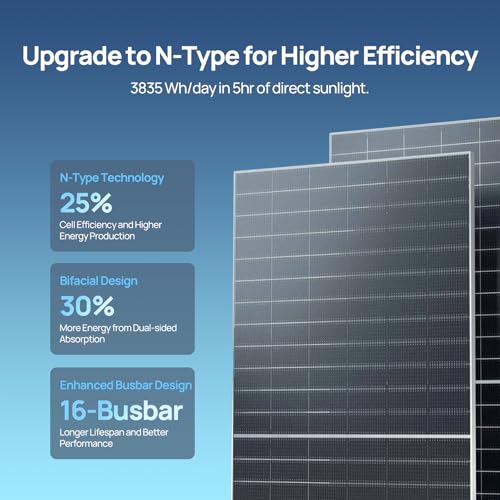
This kit lists sixteen 590W N-type panels, six 48V 100Ah batteries, a 48V 10kW inverter, a six-layer server rack, and solar cable. The panels total 9,440W by their stated ratings, while the batteries total about 28.8kWh nominal. It is a broad package for buyers planning the best off grid solar system.
The rack can help keep compatible batteries organized, and the larger array may suit a home with good sun and room for panels. This package may appeal to people who want major system parts together. Confirm the inverter’s PV limits, battery communication needs, and whether the rack fits the actual battery models.
The included rack and cable may reduce extra sourcing, but they do not replace safe wiring or code-compliant mounting. Check whether roof hardware, breakers, and disconnects are supplied. With six batteries, plan for delivery, placement, and installation costs. Compare the full system price with your load and backup needs.
Why It’s Great
- Six listed batteries provide about 28.8kWh nominal storage.
- The sixteen-panel array totals 9,440W at stated panel ratings.
- A six-layer server rack is included for battery organization.
- The 10kW inverter rating supports substantial peak output.
- Solar cable is listed among the included kit components.
Good to Know
- The 9,440W panel total is calculated from the listed count and wattage; verify the final package details.
- Confirm the rack, battery, and inverter are electrically and physically compatible.
- A large system may need professional installation, added safety parts, and significant site space.
Final Thoughts: The Verdict
My personal top pick is the ECO-WORTHY 9.44kW N-Type Rack Kit. Its listed 9,440W array, six batteries, 10kW inverter, and rack make it a broad starting package for a larger off-grid setup. Check the battery and inverter details before purchase, and size the system to your real loads. That is the key to finding the best off grid solar system, not simply choosing the biggest number.
For a smaller array and more modest energy plan, consider the ECO-WORTHY 9.36kWh 10kW Solar Kit. The 10.62kW panel kit may suit buyers with ample sunny space, while the 5.31kW kit offers a balanced middle ground. Check capacity claims, installation needs, and local rules. Choose the system that fits your energy use, site, and budget.