
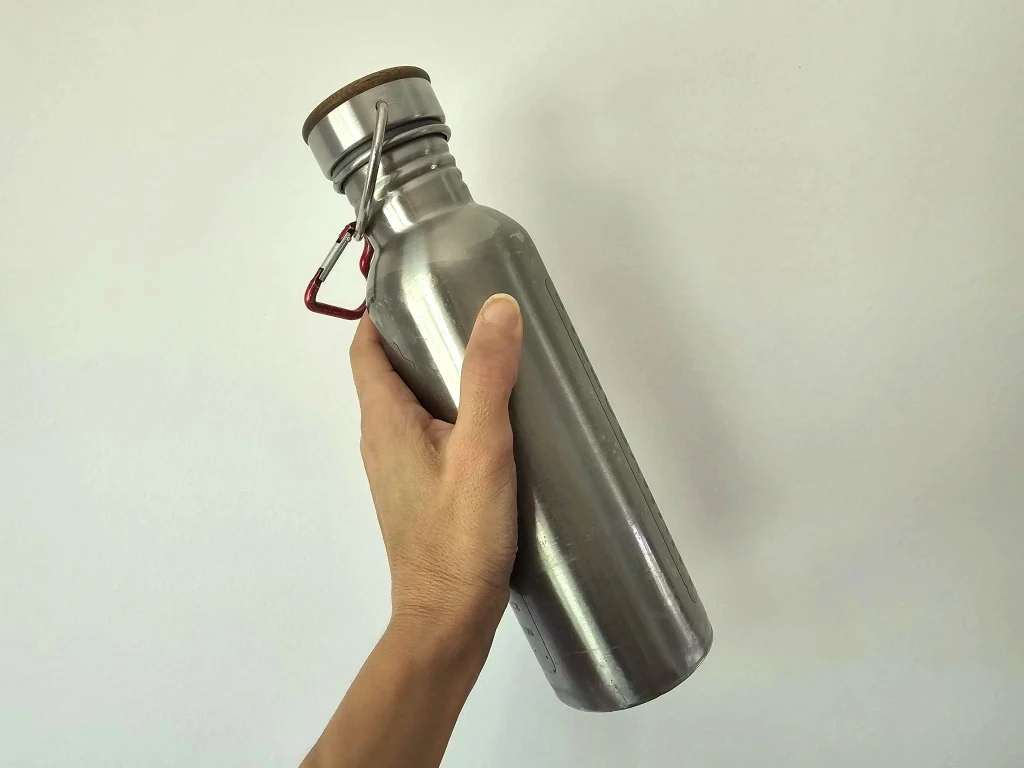
A 100 plastic free water bottle needs verified materials, clear heat limits, and a design that supports daily reuse.
The search phrase “100 plastic free water bottle” can mean one bottle with 100% plastic-free parts or a set of 100 bottles. These needs are different, but both require careful checks. This guide will help you compare materials, spot vague claims, and choose a bottle that fits real life.
What “100 Plastic Free Water Bottle” Actually Means
A search for “100 plastic free water bottle” can point to two different shopping needs. Understanding the exact meaning helps you compare the right products.
First, you may be looking for one bottle made without plastic. People often use “100” as a stand-in for “100%.” In this case, the bottle body, cap, liner, gasket, and food-contact coating should all be plastic free.
Second, you may need 100 plastic free bottles. This option makes sense for a large event, a rental program, a school, or a workplace. A box of 100 says little about bottle quality, so you still need to check each part.
For a strict plastic-free claim, also ask about printing, adhesives, and packaging. A paper shipping box does not make a plastic-lined bottle plastic free. It is a separate part of the purchase.
A clear product listing should define exactly what “plastic free” means. It should also name every material that touches the water.
Why Choose a Plastic Free Water Bottle?
Reuse is the main benefit. A durable bottle can replace many single-use bottles over time. This can reduce disposable plastic waste and the demand for new plastic products.
Some designs also offer a neutral taste. Glass and metal do not absorb odors as easily as some other materials. A wide mouth may make ice and cleaning easier. Strong lids can help prevent spills inside a work bag.
Plastic-free does not mean perfect, though. A glass bottle can break. A steel bottle can dent. A lid can leak. A paper bottle may last only a few hours. None of these materials makes a poor design safe or useful.
Here are four claims to treat with care:
- Zero waste: The bottle still has a life cycle and may need replacement parts.
- Zero impact: Manufacturing, shipping, washing, and disposal all have impacts.
- Leakproof: This usually depends on the lid, seal, and correct assembly.
- Hot-liquid safe: Some bodies handle heat better than their caps or coatings do.
The best bottle is one you will use and keep. A simple design that suits your day is often better than a fancy model you leave at home.
Best Plastic Free Materials for Everyday Water
The best material depends on where you will use the bottle. Some people value heat retention. Others want a light weight or a narrow shape. There is no single winner for every need.
Borosilicate Glass
Borosilicate glass is a strong type of glass made to handle heat better than ordinary glass. It gives water a clean taste and works well for cold or hot drinks when the maker rates it for that use.
Its main drawbacks are weight and breakage. A glass bottle may not suit a trip full of rough handling. It can also crack if hot glass meets cold water or the other way around.
Check the cap and liner as carefully as the body. A glass bottle with a plastic lid is not fully plastic free. Use a protective case only if the case does not create a spill risk.
Stainless Steel
Stainless steel is often the best choice for daily commuting and travel. Double-wall vacuum designs can help keep water cold or tea hot for longer. They usually stand up well to bumps.
Make sure the entire bottle is steel. Many steel bodies use a plastic liner, gasket, or base ring. Those parts matter just as much as the outer shell.
Steel cannot go in a microwave. It can also develop dents. Dents may affect insulation or make a thin bottle harder to use. Replace it if damage affects safe operation.
Aluminum and Titanium
Aluminum bottles are light and easy to carry. Their inner surfaces often have a coating. That coating must be safe for food contact and free of plastic if the seller claims the whole bottle is plastic free.
Scratches can damage the inner coating. Stop using the bottle for drinking if the coating is worn through or flaking. Do not try to repair the lining with an unknown sealant.
Titanium is also light and resists corrosion. It costs more, and different grades and coatings exist. Check the exact food-contact details instead of relying on the word “titanium” alone.
Other Materials
Ceramic offers a clean taste but may crack or chip. It needs the same care as glass. Painted parts can hide damage, so inspect the surface before each use.
Bamboo and wood bottles may contain adhesives or synthetic resins. “Natural” does not mean plastic free. Ask what holds the sections together and whether the adhesive is suitable for food contact.
Paper pouches and molded fiber products can offer plastic-free options. However, many pouches have plastic or foil layers. Water bottles also need strong seams and caps. Check the full material structure before buying.
A silicone strap is still a form of plastic. If you need a completely plastic-free setup, the cap, straw, handle, and carrying strap all matter.
How to Verify a Plastic Free Claim
A seller may correctly describe materials, but vague wording can hide important details. Use a few checks before you order.
-
Check every part. Look at the body, cap, lid, liner, gasket, straw, base, and any coating. Make sure the same facts apply to the exact model you will receive.
-
Ask about food-contact safety. In the United States, relevant federal food-contact rules apply, but a vague “food safe” label is not full proof. Look for clear compliance details or a credible third-party certification for the model.
-
Find the temperature limit. Check the body, cap, and seal. Do not assume boiling water is safe. Hot liquids can increase chemical movement from some materials and can also create a burn risk.
-
Read the care instructions. Find out whether the bottle can go in a dishwasher. Look for the recommended soap, drying method, and cleaning brush. Strong or unusual cleaners may damage a lining or seal.
-
Check replacement parts. A lost lid should not force you to discard the whole bottle. A seller that offers caps, gaskets, and straws has a better chance of supporting long-term use.
-
Look for useful reviews. Exact model numbers and repeat-use notes matter. A large review sample is not proof by itself. I would question a 100 plastic free water bottle test that does not name failures, test conditions, or replacement results.
Is “BPA free” the same as “plastic free”? No. BPA free describes one chemical concern. A plastic product can be BPA free while still containing other plastics.
Does a bottle have to meet the same standard for cold and hot water? Not always. A listing may cover one use but not the other. Confirm the intended liquid and temperature before use.
How to Choose the Best 100 Plastic Free Water Bottle
The best 100 plastic free water bottle depends on your daily needs. Start with the actual bottle, not the product photo or a large “100” printed on the listing.
-
Confirm what 100 means. Make sure the seller means a 100% plastic-free product or a pack of 100 bottles. These options are not the same.
-
Choose the material for your routine. Glass may suit water at a desk. Steel may suit commuting. Lightweight aluminum may suit hiking. Think about weight, breakage, and heat needs.
-
Check the usable capacity. The stated volume may leave little room for ice. Measure the mouth and compare it with your cup holder, bag pocket, or backpack space.
-
Test the lid features. Look for a secure seal, easy cleaning, and a drinking method that works with one hand. Check whether the straw or cap stays attached when you carry the bag.
-
Read long-term care details. A dishwasher-safe label does not cover every part. A removable seal may be easier to clean than a fixed gasket. Clear instructions show that the maker has thought about daily use.
-
Compare the full cost. Include replacement lids, shipping, and possible breakage. A higher price can be fair for a useful design. It is not proof of a longer life.
-
Review the complete product. Search for the exact model, not just the material. Check recent reviews for leaks, odors, dents, cracked seams, and missing parts.
One practical mistake is to focus only on the bottle body. The cap and liner often decide whether the product meets your needs. Another mistake is choosing the largest bottle. If it feels heavy, you may leave it behind.
For a 100 plastic free water bottle order, inspect the whole shipment on arrival. Count complete bottles and check every cap. Record any damage before passing the items to users.
Planning for 100 Plastic Free Water Bottles
A 100 plastic free water bottle pack is a bulk choice, not a sign of quality. A box may hold 100 budget cups, while another offer may include 100 insulated steel bottles.
If you need 100 plastic free water bottles, start with the event rather than the product.
-
Count people and servings. For 100 people at a one-day event, a starting point may be 110 to 120 individual drink servings. Increase the count if guests need more than one drink.
-
Choose a refill or giveaway model. Refill stations can serve many people with fewer bottles. Individual bottles suit walks, meetings, and take-home gifts. These uses have different needs.
-
Budget for losses and damage. Add a small reserve for broken bottles or missing caps. For rentals, keep spare seals and a simple tracking system. Label each bottle with its return number.
-
Plan safe washing. You need clean water, approved cleaner, brushes, drying space, and someone responsible for the process. A storage area is not enough if wet bottles cannot dry fully.
-
Check local waste rules. A disposable paper cup has little value if it cannot be recycled or composted where the event takes place. Reusable bottles may create more waste if most guests abandon them.
A simple example shows why the service style matters. A 100-person picnic might use 110 reusable bottles for individual drinks. A staffed refill station might need fewer, plus enough clean cups for shared use. The station also needs enough time and staff to refill and wash the bottles.
When you place a 100 plastic free water bottle order, ask the seller to confirm the count, capacity, material, replacement parts, and delivery time in writing. Keep that record until the event is over.
Reusable, Rental, or Disposable?
Reusable bottles work best for repeat events and long-term programs. You control cleaning and storage, but you must pay for both.
Rentals can reduce the upfront cost. They need careful tracking, deposits, and a return process. Lost bottles can still become your cost.
Disposable paper or fiber cups may suit a short gathering. Check the full material, local waste system, and storage needs. They should not be called plastic free if they contain a plastic lining or coating.
Cleaning, Storage, and Expected Lifespan
Proper care can protect both the bottle and its lining. Follow the maker’s instructions, even if another material seems similar.
Most bottles can be washed with warm water, mild dish soap, and a clean brush. Pay attention to threads, seals, straw openings, and the bottom of the cap. Rinse away any soap residue.
Let the parts air dry fully before storage. Stacking a damp cap on a dry bottle can trap moisture and odors. A dishwasher is suitable only when the maker says the whole product can handle it.
Do not boil a bottle unless the maker allows it. Boiling can distort some lids and seals. It may also damage special coatings. Do not use bleach, solvents, or rough brushes unless the care guide recommends them.
Inspect bottles often. Stop using one with a crack, sharp chip, split seam, strong leak, or damaged food-contact coating. Replace a seal if it feels hard, cracked, or no longer secure.
A persistent smell after proper cleaning is another warning sign. Check the care guide again. If the smell remains, stop using the bottle and ask the maker for advice.
There is no fixed lifespan for a 100 plastic free water bottle. A light steel bottle may outlast a heavy glass bottle carried in a rough bag. Damage from drops, heat, and hard use matters more than the year printed on a box.
A useful lifespan also depends on parts. A sturdy body with a cheap, unavailable cap may fail early. Choose models with replaceable seals and a lid design you can keep clean.
Does Plastic Free Always Mean Better for the Planet?
Plastic free does not automatically mean better in every case. How long you keep a bottle, how often you use it, and how you wash it all affect its impact.
A 2017 peer-reviewed life-cycle study found that some reusable stainless-steel bottles had lower greenhouse-gas emissions per use than single-use bottles. The savings depended on washing and how long the bottle lasted. That supports reuse, but it does not prove that every steel bottle wins in every case.
Manufacturing metal or glass can have a high impact. A heavy bottle may also cost more to ship. Washing in a full load and air drying can use less energy than other care methods. Local water and power conditions also matter.
Watch for these terms:
- Compostable plastic: It is still plastic. A compostable product may also need special collection conditions.
- Plant based plastic: It does not meet a strict no-plastic claim.
- Recycled plastic: It may reduce some impacts, but it remains plastic.
- Eco friendly: The term needs a specific material, use, or life-cycle claim to be useful.
- Natural: It does not explain whether an adhesive or coating contains plastic.
The most earth-friendly choice may be the durable bottle you already own. Keep using it if it works and remains safe. Buying a new set of 100 bottles does not help if they are stored, lost, or used once.
The best 100 plastic free water bottle is not the most expensive or the one with the longest description. It is a well-made option that fits your life, holds up to daily use, and has parts you can replace.
Frequently Asked Questions
Is a 100 plastic free water bottle the same as a 100% plastic free water bottle?
No. A 100 plastic free water bottle can mean a set of 100 bottles or a bottle with fully plastic-free parts. Check the quantity and every material before buying.
What is the best material for a plastic free water bottle?
Borosilicate glass offers a clean taste but adds weight and breakage risk. Stainless steel is often more durable for travel, but you must check the cap, liner, and seal for plastic.
Can a 100 plastic free water bottle hold hot liquids?
Only if the maker rates the body, cap, and seal for your intended temperature. Never put a metal bottle in a microwave. Check the stated temperature limit before using boiling water or hot tea.
Are paper or compostable bottles always plastic free?
No. A paper product may have a plastic lining, and a compostable product may be made from plastic. Check the full material list and local disposal rules before purchasing.
How do I clean a 100 plastic free water bottle?
Wash it with warm water, mild dish soap, and a clean brush unless the maker gives other instructions. Clean the lid and gasket separately when possible, then let every part dry fully.
How many bottles should I buy for 100 people?
For a one-day event, 110 to 120 individual drink servings can be a useful starting point. Adjust for refill stations, event length, heat, and the number of drinks each person may need.
Conclusion
The phrase “100 plastic free water bottle” covers two choices: a 100% plastic-free bottle or a large set of bottles without plastic. In either case, the cap, liner, coating, temperature limits, and replacement parts deserve the same attention as the body.
Choose based on your daily routine, read the full material details, and confirm the exact model you receive. Start with one useful bottle if that is what you need, or plan the serving count and cleaning process before ordering 100. Subscribe for more practical buying guides, or share your favorite plastic-free bottle setup in the comments.