
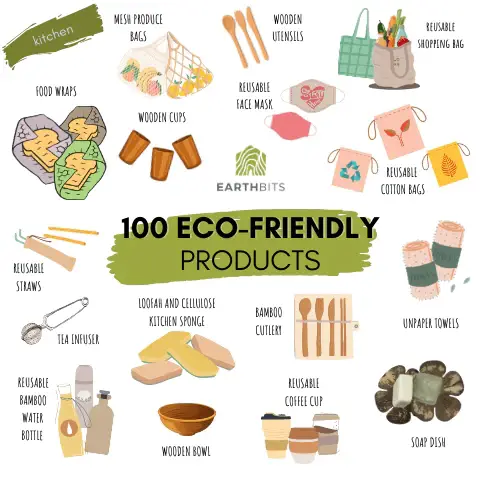
A hundred eco friendly products can cut waste, save energy, and make your daily life greener without asking for perfection.
Eco friendly does not mean perfect. It means a product that does less harm over its life. You do not need all 100 picks to make a real difference. The list below covers home, work, food, travel, and family care, plus the proof and tradeoffs to check before you buy.

What Makes an Eco Friendly Product?
An eco friendly product offers a real benefit in areas such as materials, energy use, waste, or pollution. The best choice often depends on your home, habits, budget, and local waste program.
A life cycle review looks at raw materials, manufacturing, transport, use, and disposal. It helps explain why a durable item may be better than a disposable one. It also shows why an alternative material does not always win.
Use five checks before you buy
-
Do you need it? Keep and repair what you own first. A new eco friendly product cannot erase all the resources used to make what you already have.
-
How long will it last? Look for solid parts, simple care, and strong seams. More years of use often matter more than a small first-day gain.
-
Where did the materials come from? Look for clear details about paper, wood, cotton, plastic, and metal. A vague eco label cannot tell you much.
-
How much energy or water will it use? An LED lamp uses less energy than a halogen lamp. An efficient appliance can also lower costs over time.
-
What happens at the end? Check local waste rules. A compostable item may need an industrial facility. A recycling symbol may not mean the item belongs in your curbside bin.
Keep the tradeoffs in view
Plant based packaging can compete with food crops for land. Electric products can cut packaging or raise energy use, depending on the power supply. A higher price can still be a poor deal if an item breaks early.
Zero waste is a goal, not a reason to keep buying things you do not need. The waste hierarchy puts refusing, reducing, reusing, and repairing ahead of recycling and composting.
Social conditions matter too. Fair wages and safe work are part of a more sustainable life. A durable product made under poor conditions is not a complete solution.
100 Eco Friendly Products for a Greener Routine
These are product types and buying tips, not fixed brand recommendations. Each group contains ten useful picks. Choose what fits your needs, rather than trying to buy everything.
Kitchen swaps
Start with items that can replace thin wraps or single-use bottles. The best kitchen swaps are the ones you can wash, repair, and keep.
-
Cotton produce bags: Choose strong fabric with stitched seams. Wash and air dry the bags to make them last longer.
-
Glass storage jars: Use them for pantry food and leftovers. Choose jars with reliable lids instead of buying a new set for each task.
-
Silicone food storage bags: Look for food grade silicone and a secure seal. Follow the maker’s care and heat limits.
-
reusable coffee cups: Pick a size that fits your favorite café. A lid that stays on will prevent spills during your commute.
-
Stainless steel cookware: Choose well made pots and pans with useful handles. Avoid nonstick coatings that chip or cannot be replaced.
-
Wooden cooking utensils: Look for smooth wood from a responsible source. Replace any utensil that cracks, splinters, or holds bacteria.
-
Compostable kitchen sponges: Choose an accepted local compost product. They often break down faster than plastic foam sponges.
-
Beeswax food wraps: Use them for bread, cheese, and produce. Keep them clean and follow the storage guide for each food.
-
Refillable bulk dispensers: Reuse jars for beans, rice, nuts, and seeds. Compare prices so refills truly cost less.
-
Kettle with replaceable parts: Choose a lasting design with a serviceable switch or base. A water filter can help if your water needs one.
Cleaning supplies and tools
Cleaning products can create waste through bottles, cartridges, and disposable pads. Concentrates and reusable tools can cut some of that waste.
-
Concentrated cleaner: Dilute a small amount as directed. Look for a measured dispenser and clear safety instructions.
-
Refillable soap dispenser: Choose a bottle designed for refills. Recycle the empty container only where your local program accepts it.
-
Washable cleaning cloths: Use them for spills and surfaces, then launder only when needed. Keep them in a washable bag.
-
Natural cellulose sponges: Look for wood pulp or cellulose fibers. Replace a sponge as soon as it smells or tears.
-
Compostable dish brush: Choose wood and bristles suited to local compost rules. Do not assume a small brush can be flushed.
-
Laundry detergent sheets: Use the correct dose for your load size. Check the wrapper because some sheets still come in mixed plastic.
-
Cold water laundry detergent: Choose a detergent that works in cold water. This can reduce the energy needed for heating water.
-
Oxygen bleach booster: Use it for compatible laundry problems as directed. Keep it away from children and other cleaning products.
-
Washable mop pads: Choose durable pads with a simple replacement plan. Follow the care guide to keep fibers effective.
-
Biodegradable vacuum bags: Use a bag approved for your vacuum and local waste service. A thin bag can split inside the machine.
-
Vacuum with sealed HEPA filtration: A lasting model can use replaceable filters and sealed parts. Follow the filter care guide.
Bathroom and menstrual care
Bathroom swaps often cut plastic packaging. Refill systems and durable tools can also replace products that break after a few uses.
-
Safety razor: Choose a metal razor with a replaceable head. Keep it dry between uses to protect the metal from rust.
-
Bamboo toothbrush: Check that the handle comes from a responsible source. Replace the brush when the bristles bend or spread.
-
Shampoo bar: A solid bar can reduce plastic packaging. Compare its weight with a liquid bottle before making a switch.
-
Conditioner bar: Choose a formula that suits your hair. A paper wrap may work if the maker allows it for travel.
-
Refillable aluminum deodorant container: Select a lasting case and a suitable formula. Recycle empty parts according to local rules.
-
Fluoride toothpaste in a recyclable tube: Keep the cavity protection you need. Check the tube and box after you finish the paste.
-
Reusable washcloth: Use a soft fabric that dries quickly. Wash it after each use and replace it when the fibers thin out.
-
Reusable menstrual cup: Choose a size and material that suit your flow. Clean and store it according to the maker’s guide.
-
Reusable menstrual pads: Select breathable, washable materials. Test for comfort and leaks before building a full routine.
-
Bidet attachment: It can use less water than a long sink run. Choose a model with adjustable settings and simple controls.
Clothing, shoes, and repairs
An eco friendly wardrobe starts with use. Choose fibers, shoes, and repair tools that wear well, then check fit and comfort.
-
GOTS-certified organic T-shirt: Look for certified organic cotton and a simple design. A plain shirt can mix more easily with existing clothes.
-
Organic cotton underwear: Seek certified organic cotton. Replace worn elastic and seams only when you can no longer repair them.
-
Activewear with recycled content: Check the stated fiber and its intended use. Wash it less often only when the care label allows.
-
Recycled denim: Look for verified recycled cotton or a clear fiber blend. Choose a repairable fit over a trend that will not last.
-
Recycled swimwear: Check the recycled content and chlorine care advice. Rinse pool gear after use to protect the fibers.
-
Hemp garment: Hemp can use fewer chemicals than cotton in some places. Choose traceable fiber and a sturdy weave.
-
Linen clothing: Linen can be durable and works well in warm weather. Check fiber origin and care needs before buying.
-
Natural rubber shoes: Look for repairable soles and safer labor standards. Check how the rubber was grown and sourced.
-
Recycled wool sweater: Choose a verified recycled blend and useful seams. Wool needs dry care but can provide years of warmth.
-
Clothing mending kit: Keep needles, strong thread, patches, and fabric glue. Repairing a small hole can save a whole garment.
Home energy, paint, and furniture
Energy and materials matter in every room. The goal is not to fill your home with green gear. It is to choose fewer, lasting parts.
-
LED light bulbs: Choose the right brightness and fitting. LEDs usually use less energy than halogen bulbs.
-
Smart power strip: Look for useful controls and a master switch. Buy one that matches your devices and can sit safely.
-
Weather stripping: Seal gaps around doors and windows. This can improve comfort and reduce drafts in some homes.
-
Paint with low VOC levels: VOC means volatile organic compounds. A trusted safety label can help you compare options for indoor use.
-
FSC-certified flooring: Look for wood or another material from a responsible source. Check installation and indoor air guidance.
-
Rug made with recycled fibers: Look for a verified recycled content claim. Choose a washable rug if pets or spills are a concern.
-
Furniture from reclaimed wood: Used timber can give old wood a new life. Check strong joints, safe finishes, and steady demand for reclaimed wood.
-
Reusable moving boxes: Save sturdy boxes for future moves and storage. Do not reuse a box that loses its lid or strength.
-
Reusable moving blankets: Thick fabric can protect furniture. Wash the blankets after use and store them dry.
-
ENERGY STAR dehumidifier: Choose an efficient model sized for your space. Empty the tank often and keep the filter clean.
3 thoughts on “100 Eco Friendly Products: Better Living, Less Waste”
Comments are closed.