
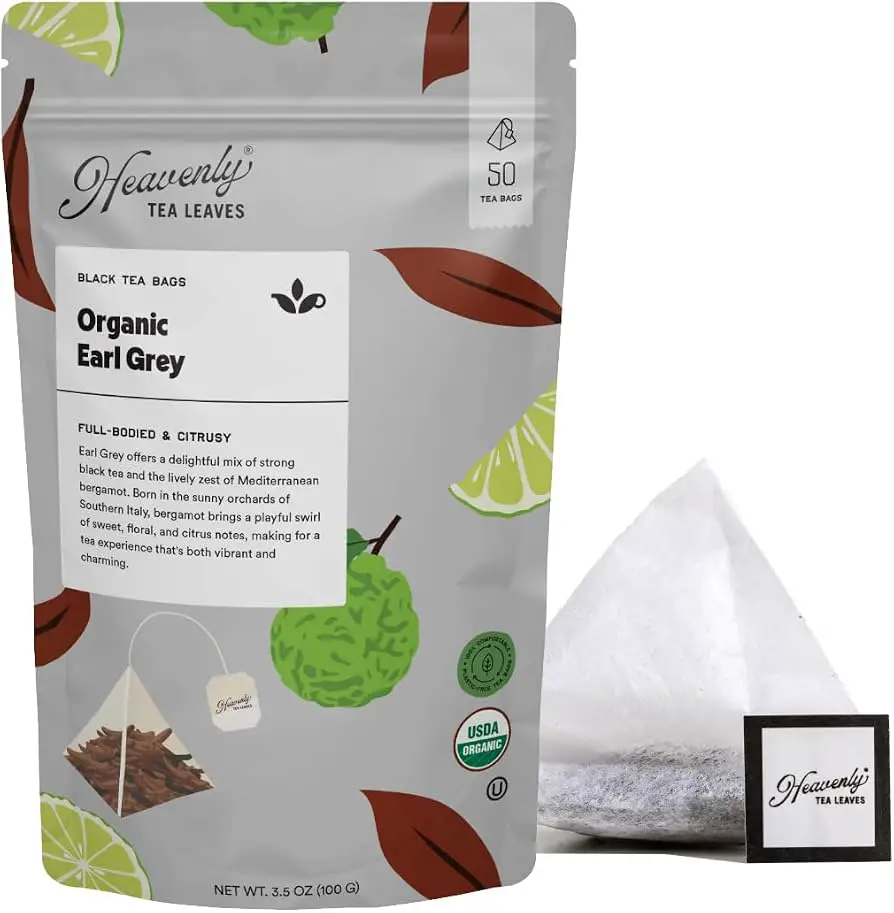
100 plastic free tea bags can reduce packaging waste, but “plastic free” claims need proof for every packaging layer.
The phrase can mean 100 sachets in a plastic free pack. It can also mean 100 tea bags with plastic free materials. This guide shows how to check the bags, wrappers, and shipping pack, so you can judge the whole product instead of relying on a green promise.

What “100 Plastic Free Tea Bags” Actually Means
“100 plastic free tea bags” is a shopping phrase with two parts. The number tells you the pack size, while the material claim describes the bag and its packaging.
The count is the easy part. A true count of 100 means 100 separate tea sachets, not 100 grams of tea or 100 paper sheets. Some sellers use different terms, so check the product details before you buy.
The material claim is harder to understand. It may cover only the tea bag, or it may include the inner wrapper and outer box. Some brands exclude shipping materials. Ask which parts the claim covers before you treat it as a full pack claim.
So, what do 100 plastic free tea bags usually mean? They are 100 tea sachets marketed without plastic in the bag itself. That does not mean the tea is organic, fair trade, or better for the environment in every way.
What Makes a Tea Bag Plastic Free?
Paper is often the main material. It can come from wood pulp, recycled paper, or a mix of both. A paper bag is not automatically plastic free, because some designs add a plastic coat, glue, thread, or mesh.
Bleached paper is not automatically worse than unbleached paper. Both types can meet food contact rules, but neither color proves that no plastic is present. If forest sourcing matters to you, look for a specific sourcing mark, such as FSC or PEFC.
Check the seal next. Some tea bags use glue, while others use a heat sealed layer. The adhesive or seal may contain plastic, so ask what holds the paper closed. A clear answer should name the material and say whether it falls under the plastic free claim.
Plant based does not always mean plastic free. A seal made partly from plant matter can still be a plastic polymer. A brand that uses terms such as “biodegradable” or “compostable” should give the exact material and test conditions.
String and filter matter too. Cotton thread and cellulose filters can work without conventional plastic. Polyester thread and polypropylene mesh cannot meet a strict no plastic claim.
Many tea bags have a paper top with a separate filter below it. A “100% paper” claim may cover only that top, not the whole sachet. A material claim for the full bag is more useful than a claim about one visible part.
Even a compostable filter can contain plastic. It may break down under certain conditions, but that does not make it plastic free. Read the entire bag description, including the thread, adhesive, filter, and any coatings.
Compostable and biodegradable are also different claims. Compostable means a product is designed to break down under stated conditions. Biodegradable means living things can break it down, but it does not explain where or how quickly that happens.
Commercial and home composting are not the same. Many U.S. compostability claims refer to industrial facilities, where heat, moisture, and time are controlled. Home compost bins are cooler and slower, so look for a separate home compost claim.
Tests such as ASTM D6400 and EN 13432 can support claims for industrial composting under their rules. They do not prove that an entire retail pack is plastic free. A test for the paper may also leave the seal, string, and filter unchecked.
Local waste rules still matter. Some programs accept used paper tea bags, while others ask you to remove the filter or string. Check your local service even when the packaging sounds eco friendly.
Why Choose Plastic Free Tea Bags?
Choosing 100 plastic free tea bags can reduce your use of small plastic wrappers and sachets. Paper can replace harder plastic packages in some designs. It is not a zero waste solution, but it can simplify the material mix.
Synthetic fibers can shed tiny plastic particles. Paper, cotton, and cellulose filters can avoid that source of litter. This does not prove that one tea will taste better or protect your health more than another.
A clean paper bag may fit a suitable composting system. That gives the material a useful next life instead of sending it straight to waste. It only works when the bag, its parts, and your local rules all allow it.
Paper production still uses water, energy, and forest fiber. A refillable infuser is not always greener if it travels a long distance or stays unused for years. Look at the full life of the product, not just one material.
Source claims deserve their own check. Fiber sourcing marks, organic tea seals, and fair trade labels answer different questions. A bag can be plastic free without organic tea, or organic tea without a plastic free sachet.
Your brewing method also matters. A fine paper filter may suit a delicate tea, while an open mesh may suit a bold blend. 100 plastic free tea bags can meet many needs, but flavor and fit still matter more than a vague promise.
How to Shop for 100 Plastic Free Tea Bags
Shopping for 100 plastic free tea bags is easier when you check the small parts first. My rule is simple: never rely on the front badge alone. The seam, thread, filter, wrapper, and box all belong in the review.
-
Confirm the count. Look for 100 single use sachets. If the listing says “about 100,” ask what the seller counts as one bag.
-
Find the scope of the claim. Ask whether it covers the tea bag or the whole retail pack. A photo of a paper envelope cannot answer that question.
-
Read the full material list. Look for the paper fiber, adhesive, thread, and filter. A broad word such as “eco” is not a useful material list.
-
Check for coatings. Ask whether the paper has polyethylene or another plastic layer. Food safe and plastic free are separate claims.
-
Inspect the filter. Find out whether it uses cotton, wood pulp, cellulose, or plastic mesh. Compostable mesh does not automatically mean plastic free mesh.
-
Check the wrapper and box. A plastic window, film, or packing tape can undo an inner bag claim. Look for a clear statement about the outer pack.
-
Look for useful support. A compost mark can help if it matches your disposal method. Fiber sourcing marks can support forest claims, but they do not prove that the whole bag is plastic free.
-
Match the bag to the tea and use. Fine paper can catch small leaf pieces. Open mesh can let dust through, so think about the drinks you serve most often.
One bag a day makes 100 last about 100 days. That is a little more than three months, which may suit a daily tea drinker or a small office. For a café, check serving size and storage before a large order arrives.
Compare the full cost, not just the box price. Divide the total by the number of usable sachets, then add the shipping fee. A low price is poor value if the tea sits unused for a year.
Customer reviews can help with real life details. Look for comments about leaks, tearing, taste, and shipping damage. A review may show an older package, so check the current label and photos.
I would skip a listing that hides its materials behind a large green badge. If the seller names the exact parts and disposal conditions, you have facts you can compare. I do not have lab results for every seller, so this checklist is for judging labels, not assuming that any brand has passed a full test.
Paper, Cotton, or Mesh for Plastic Free Tea Bags?
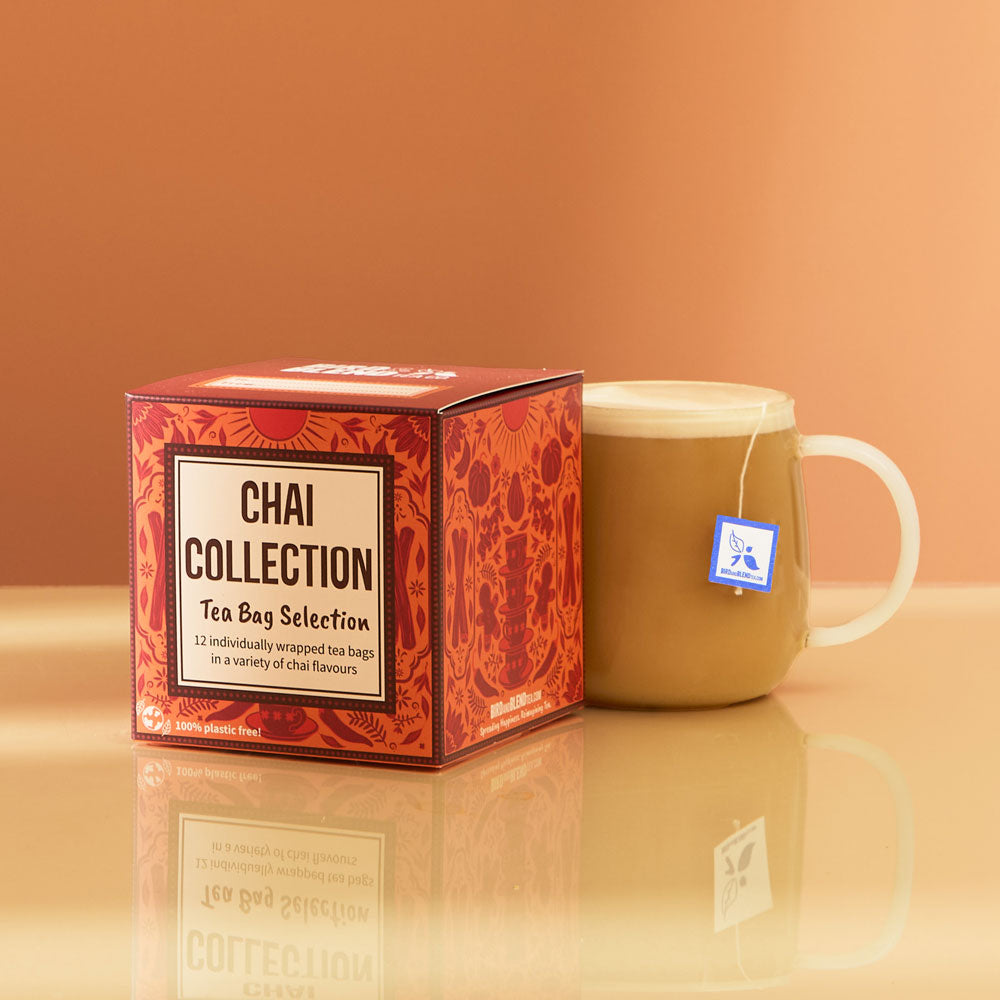
The word “paper” may describe only the top of a tea bag. The filter below it may use a different material. This is where many plastic free claims become unclear, so read the full bag.
Paper is often thin and fine. It can work well with green tea or a light black tea because it catches small leaf pieces. Some people notice a papery taste, especially when the bag smells musty, and fresh storage matters.
Cotton usually creates a more open flow and a fuller feel in the cup. Bleached cotton and unbleached cotton can both work well. Cotton is not automatically better, so compare its price and taste with the rest of the pack.
Mesh often uses a larger filter that lets more liquid through. That can help with bold tea, but fine dust may escape. A wood or bamboo claim needs proof, and a compostable filter may still contain plastic.
The best material depends on the drinker, not a trend. In my view, the best tea bag gives a clean cup and fits your waste plan. If 100 plastic free tea bags will serve a café, test the filter with several teas before ordering a large case.
At home, compare filtration, taste, and ease of cleaning. A small taste test tells you more than a long claim list because you can feel the change in the cup. Keep the paper dry and make sure the bag can handle repeated use.
Material does not control the tea inside. You can pair a strong mesh with weak tea or fine paper with a robust blend. Buy for flavor, freshness, and price, then use the lower waste packaging to support that choice.

How to Brew, Store, and Dispose of Plastic Free Tea Bags
Buying 100 plastic free tea bags is only the first step. Your brew method changes the final cup, and paper can taste different from mesh. Follow the tea maker’s guide first, then adjust the strength to your taste.
-
Brew one bag at a time. Start with about 8 ounces (240 mL) of water. Follow the suggested steep time, then change the heat or time to taste. Black, green, white, and herbal teas need different settings.
-
Use water that tastes clean. Fresh water should not carry a plastic smell or taste from the container. If your tap water tastes odd, use filtered water. A clean kettle you already own is enough.
-
Keep the tea dry. Tea can pick up moisture, odors, and sunlight faster than most people expect. Store unopened bags in a sealed jar or a dry cabinet. Keep the container away from the stove and direct sunlight.
-
Choose the right final home for each bag. A clean paper bag may fit a local compost program. Many city systems do not accept tea bags, so check the rules before you collect them.
Do not flush a tea bag down the toilet. It can catch in the pipes and create an annoying blockage. A careful trash or compost choice takes less effort than clearing a drain.
Can a paper tea bag go in home compost? Sometimes, but only when the maker gives a clear home compost claim and your local program accepts it. A plastic free bag is not the same as a home compostable bag. Some filters and strings may need a different waste route.
Most tea bags are designed for one use, even when the paper feels sturdy. Brewing the same bag again can weaken the flavor while leaving more material behind. Use a fresh bag unless the maker gives different instructions.
Where to Buy 100 Plastic Free Tea Bags Without Guesswork
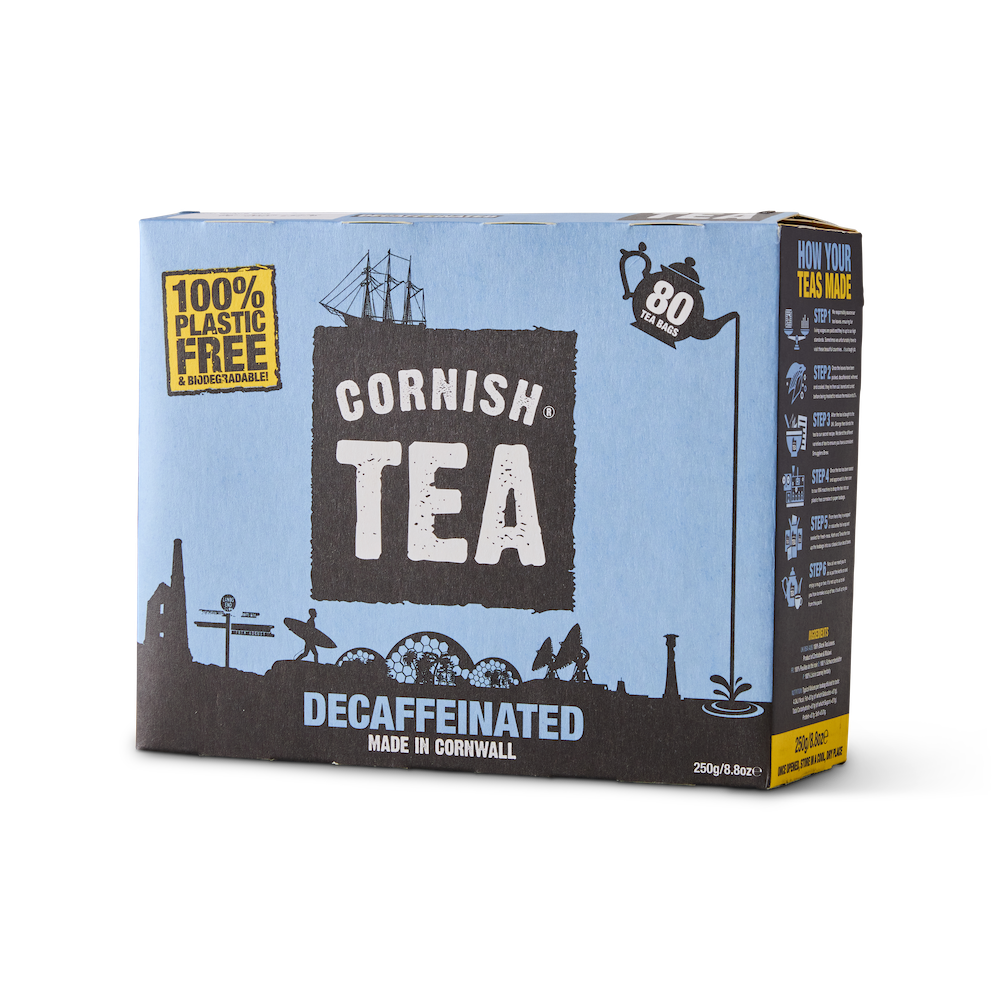
Specialty tea shops, online tea stores, and some grocery shelves carry lower waste tea bags. A pack of 100 may be sold for home use or small food service. Stock changes, so check the current pack instead of relying on an old photo.
Search by material as well as product type. Look for paper bags with cotton thread, a cellulose filter, or a stated home compostable design. Each term points to a different feature, so compare the full material list.
Read both the seller’s page and the maker’s page. The seller should show the pack size, count, and current material details. If those pages disagree, ask for a clear answer and save the information you receive.
Be wary of vague terms. Words such as “green,” “natural,” and “earth friendly” say little about the actual parts. A strong product page should name the paper, seal, thread, filter, wrapper, and packing tape.
Check the scope of the claim. It should say whether the tea bag, inner wrapper, or entire retail pack is covered. Check the disposal claim too. A clear no is more useful than a soft yes.
Try a small pack first when a seller is new to you. It can show how the paper handles hot water and whether the flavor suits you. You can then order 100 with more confidence and avoid a large box of tea you never drink.
I would not name a single winner without current, verified material details. Look for a specific list, a dated photo, and a clear disposal answer. Those checks make online shopping much less risky.

FAQ
Are paper tea bags always plastic free?
No. A paper tea bag may contain a plastic coating, adhesive, polyester thread, or plastic mesh. Check the whole sachet, including the seal and filter.
How do I know if a pack really contains 100 plastic free tea bags?
Confirm that the seller counts 100 individual tea sachets and explains which packaging the claim covers. A picture of one paper bag does not confirm the full pack.
Can you compost 100 plastic free tea bags at home?
Only when the maker and your local compost program allow it. A plastic free bag may lack a home compost claim, and your local service may not accept tea bags.
Are unbleached paper tea bags better than bleached ones?
Not always. Paper color does not show filtration, strength, sourcing, or plastic content. Compare the full material details and choose based on your brewing needs.
Is compostable plastic the same as plastic free?
No. A product can contain plastic and still be designed to break down under certain conditions. Compostability describes disposal, while a plastic free claim describes material content.
What should I check before ordering a large pack?
Check the count, full material list, coatings, filter, string, wrapper, shipping materials, and disposal instructions. For 100 plastic free tea bags, clear details matter more than a broad eco friendly label.
Choose Plastic Free Tea Bags With a Clear Checklist
The best plastic free tea bags are not chosen by a front label alone. Look for a clear count, a full material list, and a claim that covers every relevant part. Paper, thread, seals, filters, wrappers, and shipping boxes all deserve a check.
Choose a tea you will drink and a bag that suits your brewing method. Store it well, follow the suggested brew time, and use a disposal route that accepts the material. These small steps turn a good purchase into a useful daily habit.
Before your next order, compare the materials, the tea, and your local waste rules. Start with one pack, then choose 100 plastic free tea bags that you will enjoy and use. If this guide helped, subscribe for more practical low waste tips, or leave a comment with the packaging detail you want checked.