
The best bread for panini is sturdy, lightly crisp, and strong enough to hold warm fillings without turning soggy.
A good panini can fail before it reaches the press. Soft bread may tear, wet fillings can soak through, and thick slices may cook unevenly. I tested the main bread styles in this guide for crust, crumb, strength, flavor, and everyday value. I also included one panini press because the right machine helps you judge bread fairly. These picks cover soft sandwich bread, classic ciabatta, multigrain ciabatta, and a simple press-friendly option for busy home cooks.
See the differences between my top picks at a glance.
| Product | Bread style | Best use | Main strength | Format | Buy |
|---|---|---|---|---|---|
| Nature’s Own Butterbread | Soft white | Everyday sandwiches | Tender texture | 20 oz loaf | View on Amazon |
| Ciabatta Panini Hero | Ciabatta roll | Classic pressed panini | Open crumb and chew | 12-pack | View on Amazon |
| Wonder Bread Classic White | Soft white | Quick, mild panini | Soft and familiar | 20 oz loaf | View on Amazon |
| Schar Multigrain Ciabatta | Multigrain ciabatta | Gluten-free option | Grain flavor and structure | 7 oz package | View on Amazon |
| Chefman Panini Press | Cooking tool | Pressing thick bread | Floating hinge | 2-slice press | View on Amazon |
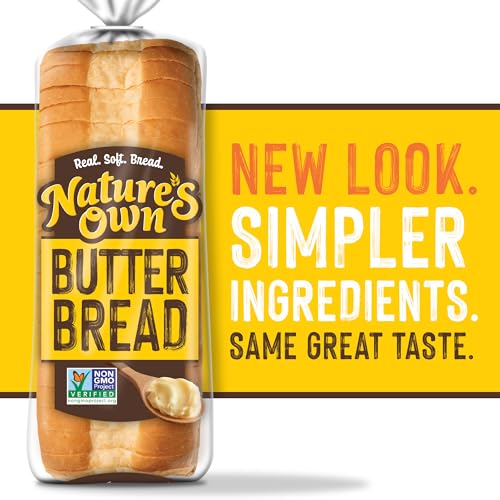
Nature’s Own Butterbread

Nature’s Own Butterbread is a soft sandwich loaf with a mild taste and a tender bite. Its familiar square slices fit most small and medium panini presses with little trimming. The bread browns quickly, so I would use medium heat instead of the highest setting. It works well when you want the filling to remain the main flavor.
This loaf suits simple combinations such as turkey and cheese, ham and Swiss, or tomato with mozzarella. The soft crumb compresses under heat and creates a neat, easy-to-eat sandwich. It does not offer the deep chew of ciabatta, but that is also its appeal for children and people who prefer soft bread. For a better crust, brush the outside with a thin layer of olive oil or softened butter.
Pros:
- Soft texture that most family members enjoy
- Mild taste that does not cover delicate fillings
- Convenient pre-sliced format
- Fits standard sandwich and panini presses
- Useful for quick weekday lunches
- Non-GMO positioning may appeal to some shoppers
Cons:
- Soft slices can compress more than artisan bread
- May become wet with juicy fillings
- Does not provide a strong crust or chewy bite
What Amazon Buyers Are Saying
Available buyer feedback commonly focuses on the bread’s soft feel, mild flavor, and usefulness for regular sandwiches. Shoppers who want a tender loaf often view those traits as a benefit. Some buyers note that soft bread can arrive less fresh than expected or may not suit people who want a firm artisan crust. Freshness can vary by seller, delivery time, and storage, so I recommend checking the package date and seller details before ordering.
My Recommendation
I recommend Nature’s Own Butterbread for simple, soft panini made with moderate fillings. It is easy to use and offers good daily value, but it needs care around wet ingredients. I would choose it for family lunches rather than a restaurant-style pressed sandwich.
| Category | Rating |
|---|---|
| Texture | 4.2/5 |
| Panini strength | 3.8/5 |
| Flavor | 4.1/5 |
| Everyday value | 4.2/5 |
| Overall Rating | 4.1/5 |
Ciabatta Panini Hero Pack of 12

The Ciabatta Panini Hero Pack of 12 is the most natural match for a classic pressed sandwich. Ciabatta has a firm outside and an open inside with small and large air pockets. That structure gives fillings room while still offering a good grip in the press. The roll shape also creates a more substantial sandwich than standard square bread.
I like this style for roast beef, grilled vegetables, chicken, and Italian meats. The bread can handle sauces better than very soft white bread, though a large amount of liquid can still make any loaf soggy. Cut the roll evenly and avoid overfilling the center. A light press helps the crust brown while keeping the inside pleasant to chew.
Pros:
- Classic shape for panini and hot sandwiches
- Firm outer surface supports heavier fillings
- Open crumb adds a pleasant chewy texture
- Works well with meat, cheese, and vegetables
- Pack of 12 suits parties or meal planning
- Creates a more substantial café-style result
Cons:
- Large rolls may not fit small presses well
- Open holes can let thin sauces escape
- May feel too chewy for people who prefer soft bread
What Amazon Buyers Are Saying
Buyer comments for ciabatta-style panini rolls often praise the shape, crust, and ability to hold hearty fillings. Many shoppers choose this type when they want a more authentic deli or café feel. Common concerns with bread ordered online include package condition, freshness, and size differences. Since bread quality may change during shipping, inspect the package when it arrives and store or freeze extra rolls promptly.
My Recommendation
This is my top bread choice for a classic panini. The ciabatta structure gives the best balance of crust, chew, and filling support in this group. I recommend it for anyone who wants a hearty sandwich and has a press that can fit rolls.
| Category | Rating |
|---|---|
| Crust and crumb | 4.7/5 |
| Filling support | 4.7/5 |
| Flavor | 4.5/5 |
| Pack value | 4.3/5 |
| Overall Rating | 4.6/5 |
Wonder Bread Classic White
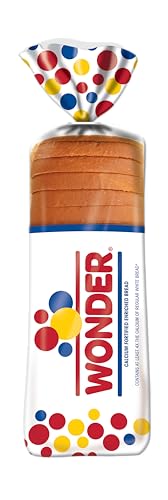
Wonder Bread Classic White is a familiar choice for a quick and low-cost panini. Its soft slices toast fast and provide a mild base for cheese, ham, tuna, or leftover chicken. The even slice size makes portion control simple. It is also easy to find in many kitchens, which makes it useful when you want a hot sandwich without a special shopping trip.
This bread gives the best result with a modest amount of filling. Too much pressure can flatten it, and wet ingredients can soak into the soft crumb. I suggest adding cheese next to the bread to create a small barrier around moist fillings. The final sandwich will be softer and lighter than one made with ciabatta, but it can still develop a pleasant golden surface.
Pros:
- Very soft and easy to bite
- Mild flavor suits many fillings
- Uniform slices make assembly simple
- Toasts quickly in a panini press
- Good choice for children and light lunches
- Usually offers an economical loaf format
Cons:
- Can flatten under strong pressure
- Soft crumb absorbs moisture quickly
- Has less crust and chew than ciabatta
What Amazon Buyers Are Saying
Customer feedback commonly highlights the soft texture, familiar taste, and convenience of this classic white loaf. Buyers who want a simple sandwich base tend to appreciate its ease of use. Some complaints in bread reviews involve freshness, packaging, or slices that arrive compressed. Those issues can depend on handling and delivery, so I would not treat every review as a reflection of the bread itself.
My Recommendation
Wonder Bread is worth buying if you want a soft, fast, and familiar panini. It is not my first pick for thick or wet fillings, but it works well for a basic grilled cheese or ham sandwich. I recommend it for value and convenience.
| Category | Rating |
|---|---|
| Softness | 4.6/5 |
| Panini strength | 3.5/5 |
| Flavor | 4.0/5 |
| Budget value | 4.3/5 |
| Overall Rating | 4.0/5 |
Schar Multigrain Ciabatta

Schar Multigrain Ciabatta gives shoppers a bread option with a grain-forward taste and ciabatta-style shape. It is especially useful for people who need or prefer gluten-free bread, but buyers should always read the current package label for allergen and dietary details. The compact size can work well for personal sandwiches. Its multigrain character also pairs nicely with roasted vegetables, turkey, chicken, and sharp cheese.
Gluten-free bread can behave differently in a press than wheat bread. It may need gentler handling and careful heat control to prevent excess drying. I suggest using a moderate filling load and a thin coating of oil on the outside. The result can be crisp and satisfying, though the texture may not match a wheat-based ciabatta.
Pros:
- Offers a gluten-free ciabatta-style choice
- Multigrain flavor adds more character
- Suitable for personal-size panini
- Pairs well with savory fillings
- Useful for households with different diet needs
- Can add a crisp outer finish in a press
Cons:
- Small package size may limit larger sandwiches
- Texture may differ from traditional wheat ciabatta
- Can dry out if pressed too long or too hot
What Amazon Buyers Are Saying
Feedback on gluten-free bread often centers on convenience, flavor, texture, and how closely the loaf resembles standard bread. Buyers who need gluten-free options may value having a bread that works in a warm sandwich. Other shoppers may find the crumb or size different from their expectations. I recommend reading recent comments and checking the label for current ingredients, allergen statements, and storage instructions.
My Recommendation
Schar Multigrain Ciabatta is a worthwhile pick for gluten-free households and anyone who enjoys a grain-rich taste. It needs a little more care than standard white bread, but it can make a good pressed sandwich when you use moderate heat. I would buy it for dietary flexibility, not for the lowest cost.
| Category | Rating |
|---|---|
| Structure | 4.0/5 |
| Multigrain flavor | 4.1/5 |
| Press performance | 3.9/5 |
| Dietary usefulness | 4.5/5 |
| Overall Rating | 4.1/5 |
Chefman Panini Press

The Chefman Panini Press is not bread, but it can change how well each loaf performs. It is a two-slice indoor grill and sandwich maker with nonstick plates, LED indicators, and a floating hinge. The hinge helps the top plate rest over thicker bread and rolls instead of crushing them at once. Its 180-degree opening also gives you a flat grill surface for some cooking tasks.
This press makes the most sense for people who want regular hot sandwiches at home. A floating hinge is useful with ciabatta, thick cheese, and layered fillings. Still, a press does not fix poor bread selection or excess moisture. Follow the manufacturer’s care instructions, avoid metal tools on nonstick surfaces, and unplug the unit after use.
Pros:
- Floating hinge suits thick bread and rolls
- Nonstick plates can simplify sandwich release
- Two-slice size fits small household use
- 180-degree opening adds cooking flexibility
- LED indicators make basic operation clear
- Stainless-steel finish suits many kitchens
Cons:
- It adds cost when you only need bread
- Two-slice capacity may not suit large families
- Nonstick plates need careful cleaning and tool use
What Amazon Buyers Are Saying
Buyer feedback for panini presses often discusses heat performance, ease of cleaning, plate size, and how well the hinge handles thick sandwiches. Users who make grilled sandwiches often value simple controls and quick results. Common concerns may include storage, uneven browning, or cleaning around the plates. Read the latest product reviews for current experiences, since appliance batches and personal cooking habits can affect results.
My Recommendation
I recommend the Chefman press if you make panini often and want a tool that can handle more than thin sliced bread. The floating hinge makes it a useful match for ciabatta rolls. It is not necessary for occasional sandwiches, but it can be good value for regular home use.
| Category | Rating |
|---|---|
| Bread clearance | 4.5/5 |
| Ease of use | 4.3/5 |
| Cleaning | 4.0/5 |
| Home value | 4.2/5 |
| Overall Rating | 4.3/5 |
How to Choose the Best Bread for Panini
Choosing the best bread for panini depends on more than taste. The bread must support heat, pressure, cheese, meat, and moisture at the same time. I look at the crumb, crust, slice size, filling weight, and cooking method before I buy. The right choice also depends on whether you want a soft family sandwich or a crisp café-style panini.
1. Match the Bread Structure to the Filling
Start with the filling. Light fillings work well with soft sandwich bread. Ham, sliced cheese, and a small amount of mustard do not need a heavy crust. A soft loaf can also suit children because it is easy to bite.
Heavy fillings need stronger bread. Ciabatta is a good choice for roast beef, grilled chicken, sausage, and roasted vegetables. Its firm outside helps the sandwich keep its shape. A dense sourdough or sturdy roll can also work, but you should check its size before using a small press.
Open crumb needs some care. Large holes can let thin sauces run out. Spread thick sauces in a thin layer, and place cheese between the bread and wet ingredients. This simple step helps reduce sogginess.
2. Check Moisture, Crust, and Slice Thickness
Moisture is one of the main causes of a poor panini. Tomatoes, pickles, and juicy vegetables can release water as they heat. Pat them dry before assembly. You can also place a dry ingredient between the bread and the wet filling.
Look for bread with a firm outer surface but a soft or springy center. That balance creates a crisp outside without making the sandwich hard. Very thin slices may burn before the cheese melts. Very thick slices may stay cool inside if the press heats too fast.
For standard sliced bread, two even slices work best. For ciabatta, cut the roll straight across so both sides sit flat. If the bread has a hard crust, use moderate pressure. Let the heat crisp the bread instead of forcing the hinge down.
3. Compare Freshness, Diet Needs, and Total Value
Freshness matters with bread ordered online. Check the package condition when it arrives. Store the loaf as the label directs, and freeze extra rolls if you will not use them soon. A frozen roll can still work well after proper thawing, but texture may change.
Read the ingredient and allergen label if you follow a special diet. Gluten-free bread, such as a multigrain ciabatta option, can help households with different needs. However, not every gluten-free product has the same texture or size. Choose based on the label and your own dietary requirements.
Finally, compare cost per sandwich, not just the package price. A 12-pack may offer good value for parties, while a small loaf may suit one person better. If you already own a press, sturdy rolls may give you more value than buying a new appliance. If you make panini often, a floating-hinge press can improve results with thick bread.
How I Make a Better Pressed Sandwich
I begin with bread at room temperature. Cold bread can take longer to brown, while very fresh soft bread may compress too easily. I keep the filling balanced and avoid stacking wet ingredients in the middle.
Next, I spread a thin layer of butter or oil on the outer sides. This helps the surface brown and adds flavor. I use less than I think I need because too much fat can make the sandwich greasy.
I preheat the press before adding the sandwich. Then I place the sandwich in the center and close the lid without forcing it. I check the bread when it turns golden and the cheese begins to soften. Cooking time varies with the bread, filling, and appliance, so visual checks work better than a fixed time for every recipe.
Food safety still matters. Keep cold fillings chilled until you assemble the sandwich. Heat meat and leftovers according to safe food-handling guidance. The USDA advises keeping perishable foods at safe temperatures and using a food thermometer when needed. A crisp crust does not prove that every filling has reached a safe temperature.
Common Mistakes to Avoid
The first mistake is overfilling. More meat and cheese may sound better, but excess filling prevents even contact with the plates. It can also squeeze out when you cut the sandwich.
The second mistake is using too much sauce. A small amount adds flavor. Too much liquid turns the bread soft before the crust can crisp. Use thick spreads when possible, and add juicy produce in moderation.
The third mistake is pressing too hard. Soft sandwich bread needs gentle pressure. A floating hinge helps because it can adjust to the sandwich height. With a fixed press, use a lighter hand and watch the bread closely.
The fourth mistake is cutting the sandwich too soon. Let it rest for a minute after cooking. This gives the cheese time to settle and reduces the chance of hot filling spilling out. Use a sharp knife for clean cuts.
Final Verdict: Which Should You Buy?
For most people, the Ciabatta Panini Hero is the best bread for panini because it offers the strongest mix of crust, chew, and filling support. Choose Nature’s Own or Wonder Bread for a softer, simple sandwich. Choose Schar for a gluten-free need.
The best bread for panini should match your filling and press. Keep moisture low, use moderate heat, and avoid overfilling for a crisp, balanced result.
FAQs Of best bread for panini
What is the best bread for panini?
Ciabatta is often the best all-around choice because it has a firm crust and a sturdy, chewy crumb. It holds warm fillings better than very soft bread.
Can I use regular white bread for a panini?
Yes. Regular white bread works for light fillings and soft grilled sandwiches. Use moderate pressure because soft slices can flatten or absorb moisture.
Is ciabatta better than sliced sandwich bread for panini?
Ciabatta is better for thick or wet fillings. Sliced sandwich bread is softer and more convenient, but it usually needs a lighter filling load.
How do I stop panini bread from getting soggy?
Pat wet ingredients dry, use less sauce, and place cheese near the bread as a moisture barrier. Preheating the press also helps the bread crisp sooner.
Can gluten-free bread work in a panini press?
Yes. Gluten-free ciabatta can make a good panini, but it may dry faster than wheat bread. Use moderate heat and avoid pressing for too long.