
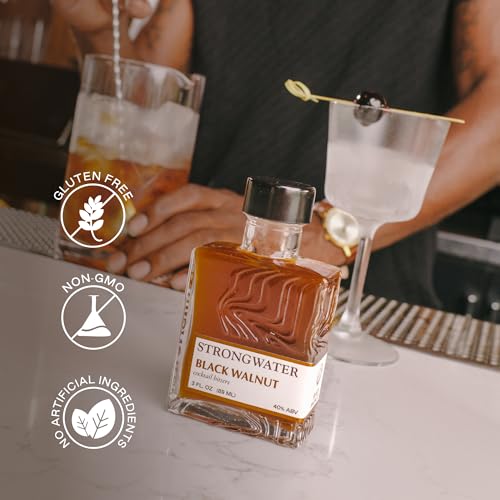
The best bitters for Manhattan add depth, spice, citrus, and balance without hiding the whiskey’s character.
A Manhattan can taste flat even when you use good bourbon or rye. The problem often comes from the bitters. Too little flavor makes the drink seem sweet and thin, while the wrong style can overpower the vermouth and whiskey. I tested these options by looking at flavor fit, bottle size, cocktail use, and value. This guide covers classic aromatic bitters, walnut, orange, chocolate, and cherry styles, so you can find the right match for your favorite Manhattan recipe.
See the differences between my top picks at a glance.
| Product | Bitters Style | Best Use | Bottle Size | Flavor Profile | Best For |
|---|---|---|---|---|---|
| Strongwater Black Walnut | Nutty bitters | Rich whiskey Manhattans | 3 oz | Walnut, spice, dark notes | Bold cocktail fans |
| Muddy River Aromatic | Classic aromatic | Traditional Manhattan | 5 oz | Warm spice and herbs | Everyday home bars |
| Bitters Triple Play | Aromatic, Peychaud’s, orange | Experimenting | Multi-bottle set | Spice, anise, orange | New mixologists |
| Woodford Reserve Chocolate | Chocolate bitters | Dark, smooth Manhattans | 2 fl oz | Cacao, oak, spice | Bourbon drinkers |
| Bittercube Cherry | Cherry and vanilla | Fruit-forward Manhattans | 5 fl oz | Cherry, vanilla, bark | Modern cocktail fans |
Strongwater Black Walnut Bitters
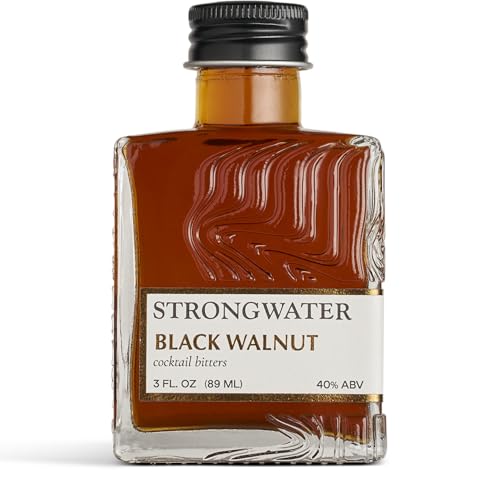
Strongwater Black Walnut Bitters bring a deep, nutty note to a Manhattan. The flavor suits rye and bourbon, especially when you want a drink with more body. Black walnut can add a dry edge that helps control sweet vermouth. It also works well with a large ice cube and an orange or brandied cherry garnish.
I would use one to two dashes at first because walnut flavor can show up quickly. This is not a plain replacement for classic aromatic bitters. Instead, it gives a familiar whiskey cocktail a darker and more layered taste. The 3-ounce bottle also makes sense for people who want a special bottle without buying a large supply.
Pros:
- Rich walnut flavor adds depth to rye and bourbon
- Helps balance sweet vermouth
- Works well in dark, spirit-forward cocktails
- Useful for Old Fashioneds and whiskey sours
- Small bottle suits occasional home use
- Offers a clear change from standard aromatic bitters
Cons:
- Walnut flavor may feel too strong for a light Manhattan
- Not the best choice for drinkers who want a classic profile
- Small size may not suit frequent cocktail service
What Amazon Buyers Are Saying
Buyer feedback for black walnut bitters often centers on the strong, dark flavor. People who enjoy whiskey drinks tend to like the way the bitters add a roasted and nutty note without requiring extra syrup. Some buyers also mention using them in coffee drinks, Old Fashioneds, and other dark cocktails.
The main concern is taste preference. A few buyers find walnut bitters more intense than expected, so careful dosing matters. Package condition and bottle size also come up in product feedback, which makes it wise to check the current listing before ordering. Since taste reports vary, I recommend starting with one dash rather than following a heavy-handed pour.
My Recommendation
I recommend Strongwater Black Walnut Bitters for drinkers who want a bold Manhattan with a dry, nutty finish. It is worth buying when you already enjoy rye, bourbon, and darker cocktail flavors. It is less suitable as your only bitters bottle because it does not replace a classic aromatic style in every recipe.
| Category | Rating |
|---|---|
| Flavor Depth | 4.5/5 |
| Manhattan Compatibility | 4.5/5 |
| Versatility | 4/5 |
| Value for Money | 4/5 |
| Overall Rating | 4.3/5 |
Muddy River Aromatic Bitters

Muddy River Aromatic Bitters are the most direct match for a classic Manhattan. This style usually brings warm spice, herbs, bark, and a mild bitter edge. It supports the whiskey instead of changing the drink into something new. The 5-ounce bottle gives regular home bartenders a useful amount for repeated mixing.
I like classic aromatic bitters when I want a reliable starting point. Two dashes can add shape to a mix of whiskey, sweet vermouth, and ice. You can also use this bottle in an Old Fashioned, whiskey sour, or rum drink. Its broad use makes it a practical choice for a first home bar or a growing collection.
Pros:
- Fits the traditional Manhattan flavor style
- Works with both rye and bourbon
- Useful in many classic cocktails
- 5-ounce size suits frequent home use
- Easy choice for beginners
- Warm spice can add balance without fruit sweetness
Cons:
- Classic flavor may seem less exciting to advanced mixers
- Exact taste can vary by recipe and whiskey choice
- Large bottle may be more than an occasional drinker needs
What Amazon Buyers Are Saying
Amazon buyers who choose aromatic bitters usually value their broad cocktail use. Feedback often points to the bottle as a useful bar staple for Manhattans and Old Fashioneds. Buyers also tend to appreciate having a larger 5-ounce size when they make drinks often or keep bitters available for guests.
Some buyers compare aromatic bitters with more familiar brands and expect a very specific flavor. That can lead to mixed opinions because each formula uses its own blend of herbs and spices. I suggest checking the ingredient details and starting with a small dose. That approach lets you adjust the drink without wasting whiskey or vermouth.
My Recommendation
Muddy River is my practical pick for anyone who wants one bottle for classic Manhattans and other whiskey cocktails. It does not add the special twist of walnut, chocolate, or cherry bitters, but that can be a benefit. Buy it when dependable, flexible flavor matters more than novelty.
| Category | Rating |
|---|---|
| Classic Manhattan Fit | 4.5/5 |
| Flavor Balance | 4.3/5 |
| Versatility | 4.6/5 |
| Value for Money | 4.4/5 |
| Overall Rating | 4.5/5 |
Bitters Triple Play Cocktail Set

The Bitters Triple Play set gives you three well-known cocktail directions in one package. It includes Angostura aromatic bitters, Peychaud’s aromatic bitters, and Regans’ Orange No. 6. That mix lets you compare warm spice, anise-like notes, and bright orange character. For a Manhattan fan, the set offers a simple way to test more than one style.
The classic aromatic bottle will usually be the first one I reach for in a Manhattan. Orange bitters can brighten the drink and work well with bourbon or a lighter vermouth. Peychaud’s bitters create a different effect and may appeal to people who also make Sazeracs or other New Orleans-style drinks. This set has strong value if you want variety instead of one large bottle.
Pros:
- Includes three different bitters styles
- Supports classic and modern Manhattan variations
- Orange bitters can add lift without juice
- Peychaud’s bitters expand a home bar’s range
- Good learning tool for new cocktail makers
- Makes a useful gift for whiskey and cocktail fans
Cons:
- Some bottles may see less use than the aromatic option
- Smaller individual bottles can run out at different rates
- More expensive than buying one basic bitters bottle
What Amazon Buyers Are Saying
Buyers often like this set because it offers variety without asking them to choose three separate products. Feedback commonly highlights the usefulness of the aromatic, orange, and Peychaud’s bottles across different recipes. Gift buyers also tend to value the set format and the chance to explore new cocktail styles.
The most common practical issue with a set is uneven use. Many people finish the classic aromatic bottle first, while the other two last longer. Some buyers also compare the bottle sizes and packaging closely. I would choose this set when you enjoy experimenting, not when you only want a single bottle for a weekly Manhattan.
My Recommendation
This set is one of the best bitters for Manhattan if you want to compare several styles. It gives you a classic base and two useful alternatives. I especially recommend it for beginners, hosts, and cocktail fans who make more than one type of drink. It offers less value if you already own similar bitters.
| Category | Rating |
|---|---|
| Manhattan Options | 4.7/5 |
| Variety | 4.8/5 |
| Beginner Friendliness | 4.7/5 |
| Value for Money | 4.5/5 |
| Overall Rating | 4.7/5 |
Woodford Reserve Chocolate Bitters

Woodford Reserve Bourbon Barrel-Aged Chocolate Bitters bring cacao, charred oak, and spice notes to a Manhattan. The flavor works best with a full whiskey that can stand beside dark notes. It can make a drink feel rounder and more dessert-like without adding cream or syrup. The small 2-fluid-ounce bottle also encourages careful use.
I would reach for these bitters when making a bourbon Manhattan or a winter cocktail. Start with one dash, then taste before adding more. Too much chocolate flavor can cover the vermouth and reduce the drink’s fresh character. Used with restraint, this style adds a smooth finish and pairs well with an orange peel.
Pros:
- Cacao notes suit bourbon and aged whiskey
- Oak and spice support barrel-aged spirits
- Creates a rich Manhattan variation
- Works in Old Fashioneds and dessert cocktails
- Small bottle helps prevent overuse
- Pairs well with orange peel and dark cherries
Cons:
- Chocolate flavor may not suit a traditional Manhattan
- 2-fluid-ounce size is smaller than several other picks
- Needs careful dosing to avoid a heavy finish
What Amazon Buyers Are Saying
Buyer comments about chocolate bitters often focus on their strong aroma and their ability to change a standard whiskey drink. People who enjoy bourbon, dessert cocktails, and darker flavors tend to find the profile useful. Some buyers also like the connection between chocolate, oak, and whiskey.
Other feedback shows that chocolate bitters are a taste-specific purchase. Some drinkers want only a hint of cacao, while others expect a clear chocolate note. Buyers also pay attention to the small bottle size. I agree with that concern, but a bitters bottle lasts longer than its size may suggest because each cocktail needs only a few drops or dashes.
My Recommendation
Woodford Reserve Chocolate Bitters are worth buying when you want a deep bourbon Manhattan. They are not my first pick for a classic rye recipe, but they offer a polished twist for the right drinker. Choose them as a second bottle rather than your only bitters unless you already know you enjoy cacao notes.
| Category | Rating |
|---|---|
| Whiskey Pairing | 4.6/5 |
| Flavor Quality | 4.5/5 |
| Classic Manhattan Fit | 4.1/5 |
| Value for Money | 4.1/5 |
| Overall Rating | 4.3/5 |
Bittercube Cherry Bitters

Bittercube Cherry Bitters use cherry bark and vanilla to create a soft fruit and spice profile. This flavor fits the cherry garnish often served with a Manhattan, but it does not simply taste like cherry syrup. The bitter bark note keeps the blend suited to spirit-forward drinks. At 5 fluid ounces, the bottle provides a useful amount for regular cocktail use.
I find cherry bitters especially interesting with rye, vermouth, and a small orange twist. They can make a Manhattan feel smoother and more approachable. Use a light hand if your vermouth already tastes sweet or fruity. This bottle also works in bourbon drinks, sparkling water, and some rum cocktails.
Pros:
- Cherry and vanilla complement whiskey
- Offers a modern alternative to plain aromatic bitters
- Pairs naturally with a cherry garnish
- 5-fluid-ounce size supports regular use
- Works with rye, bourbon, and some rum drinks
- Bark notes add balance to the fruit character
Cons:
- Fruit notes may not suit a strict classic recipe
- Can make a sweet vermouth taste even sweeter
- Cherry flavor may require careful dosing
What Amazon Buyers Are Saying
Buyers who enjoy cherry bitters often mention the blend’s ability to add fruit, vanilla, and spice without using a sweet mixer. Many people use the bottle in whiskey cocktails and find it useful when they want a softer drink. The larger size also appeals to home bartenders who make cocktails often.
Some buyer feedback reflects a common issue with flavored bitters: expectations differ. A drinker looking for strong cherry candy may find the taste more subtle, while someone seeking a dry bitters note may find it too fruity. I recommend tasting the drink after one dash. That small step keeps the cherry note in balance with the whiskey and vermouth.
My Recommendation
Bittercube Cherry Bitters are a strong choice for a modern Manhattan with a gentle fruit note. I recommend them to drinkers who like cherry garnish, vanilla, and softer whiskey flavors. They are less ideal as a first and only bottle, but they can become a favorite second option for creative home bars.
| Category | Rating |
|---|---|
| Cherry and Whiskey Pairing | 4.6/5 |
| Flavor Balance | 4.4/5 |
| Versatility | 4.4/5 |
| Value for Money | 4.3/5 |
| Overall Rating | 4.4/5 |
How to Choose Best Bitters for Manhattan
Choosing the best bitters for Manhattan depends on the whiskey, vermouth, and flavor you want in the glass. Bitters should add structure, not cover the main spirit. A classic aromatic bottle makes the safest first choice, while walnut, chocolate, orange, and cherry styles help you build a more personal drink.
1. Match the Bitters to Your Whiskey
Start with the whiskey in your recipe. Rye has a spicy, dry character, so it often works well with aromatic, orange, cherry, or walnut bitters. Bourbon has more natural sweetness, which makes it a good match for chocolate, walnut, and classic aromatic blends.
Look at the strength of the whiskey too. A bold, high-proof rye can handle stronger bitters. A softer bourbon may need a lighter hand. If you use a delicate whiskey, avoid adding several dashes before tasting. Bitters cannot fix a poor balance if they overpower the spirit.
2. Choose Between Classic and Flavored Bitters
Classic aromatic bitters offer the most traditional path. They bring spice and herbal depth without changing the drink’s identity. Choose this style if you want a Manhattan that tastes close to the standard bar recipe.
Flavored bitters create a clear twist. Black walnut gives a dark, dry note. Chocolate adds cacao and oak. Cherry brings fruit and vanilla. Orange bitters lift the drink and can make it feel brighter. Buy flavored bitters when you want to adjust the drink’s mood, not just add more bitterness.
3. Compare Bottle Size, Dosing, and Value
Bitters come in small bottles because a cocktail needs only a few dashes. A small bottle may still last for many drinks. However, frequent hosts may prefer a 5-ounce bottle, while occasional drinkers may prefer a 2- or 3-ounce option.
Check the bottle design before buying. A controlled dasher helps you add small amounts. A wide opening can release too much liquid at once. Store bitters in a cool, dry place and keep the cap closed. Also check the current product listing for size, ingredients, and package details because listings can change.
Think about use beyond the Manhattan. A bottle that works in an Old Fashioned, whiskey sour, Sazerac, or rum drink offers better value. The Triple Play set has an advantage here because it gives you several styles. A specialty bottle makes more sense when you already know which flavor you enjoy.
How to Use Bitters in a Manhattan
A basic Manhattan usually combines whiskey, sweet vermouth, and bitters. Many home recipes use about two ounces of whiskey, one ounce of sweet vermouth, and one or two dashes of bitters. That ratio is a starting point, not a strict rule. Your whiskey, vermouth, ice, and garnish can change the final taste.
Add the ingredients to a mixing glass with ice. Stir until the drink feels cold. Strain it into a chilled coupe or Nick and Nora glass. Add an orange twist or cherry. If you use flavored bitters, taste the drink before adding a second dash.
Do not shake a classic Manhattan unless you prefer extra aeration and dilution. Stirring keeps the drink smooth and clear. Use fresh vermouth and store it in the refrigerator after opening. Good vermouth matters because bitters cannot hide stale or flat fortified wine.
Common Manhattan Bitters Mistakes
The first mistake is using too much. Bitters are concentrated. A heavy pour can create a sharp taste that hides the whiskey. Start with one dash for a flavored product, then add more only if needed.
The second mistake is using the same amount with every whiskey. A strong rye and a soft bourbon do not need identical treatment. Taste as you mix and adjust the bitters, vermouth, or whiskey in small steps.
The third mistake is confusing bitters with a sweet mixer. Bitters add aroma and balance, but they do not replace vermouth. If you remove vermouth, you no longer have the same style of Manhattan. Keep the full recipe in place, then use bitters to shape it.
The fourth mistake is ignoring the garnish. Orange peel can support walnut, chocolate, and classic aromatic bitters. A cherry can work with cherry bitters, but too much sweetness may build quickly. Match the garnish to the flavor in the bottle.
Final Verdict: Which Should You Buy?
The Bitters Triple Play is my top overall pick because it gives you classic aromatic, orange, and Peychaud’s options. For one traditional bottle, choose Muddy River Aromatic Bitters. Strongwater is best for bold walnut depth, while Woodford and Bittercube suit creative variations.
The best bitters for Manhattan should balance your whiskey, not overpower it. Start with one dash, taste, and adjust. That simple method helps every home bartender make a smoother, more personal cocktail.
FAQs Of best bitters for manhattan
What are the best bitters for a classic Manhattan?
Classic aromatic bitters are the best starting point. They add warm spice and herbal depth while keeping the whiskey and sweet vermouth at the center.
How many dashes of bitters should I use in a Manhattan?
Start with one or two dashes. Use one dash for strong flavored bitters, then taste before adding more.
Can I use orange bitters in a Manhattan?
Yes. Orange bitters add a bright citrus note and work well with bourbon, rye, sweet vermouth, and an orange peel garnish.
Are chocolate bitters good with bourbon Manhattans?
Yes. Chocolate bitters pair well with bourbon’s sweet, rounded flavor. Use a small amount so the cacao note does not cover the vermouth.
Do flavored bitters replace aromatic bitters?
No. Flavored bitters offer a twist, but they do not taste the same as classic aromatic bitters. Keep both styles if you make many types of cocktails.