
A bathroom exhaust fan pulls damp, stale air out of your home to help limit condensation and odors. It can help homeowners planning a remodel, replacing a noisy unit, or tackling lingering steam. Finding the best location for bathroom exhaust fan placement matters as much as choosing a fan with suitable airflow.
A fan in the wrong spot may leave the shower mirror fogged while it hums away over the door. A weak model, a poor duct route, or a vent that dumps air into an attic can waste money and leave moisture where it can cause trouble. It is easy to focus on a high CFM number and overlook the room layout, noise, mounting needs, and outdoor vent path. Choosing carefully helps the fan capture humid air and makes daily use less frustrating.
I’m a home ventilation writer who compares fan specifications, mounting needs, airflow, and noise claims against common bathroom layouts. For this guide, I reviewed the supplied product details and considered who each model may suit, without claiming hands-on testing. I prioritize practical placement advice, clear trade-offs, and a fan that fits the room and duct route.
What You’ll Learn
- Where a bathroom fan can best capture shower moisture
- How room layout and airflow affect fan placement
- Which fan features matter for different bathrooms
- What to check before installing or replacing a fan
In This Article
How to Choose the Best Location for a Bathroom Exhaust Fan
A good fan can still disappoint if it sits far from the damp air or vents into the wrong place. Before you buy, look at the room shape, shower position, ceiling access, duct route, and noise level. A common mistake is choosing only by price or CFM, then finding that the unit cannot fit the opening or move air through the duct. The best location for bathroom exhaust fan placement is usually near the main moisture source, with a clear path to an outdoor vent and enough room for safe installation.
Place the Fan Near the Main Moisture Source
For many bathrooms, the best location for bathroom exhaust fan placement is near the shower or tub, where steam first rises. Keep the fan close enough to capture damp air, while following the product instructions and local electrical and building rules. Avoid placing it where a door or wall blocks airflow. In a long room, a central spot between the shower and other damp areas may work better. If the fan is over a shower, check that the model is approved for that location and has the required protection.
Match Airflow to the Room and Duct
Check the fan’s airflow rating in CFM and compare it with the bathroom size and layout. A larger room, long duct, or several pickup points may need a different setup from a small powder room. Do not assume the biggest CFM number is best: duct size, bends, and installation affect real airflow. The best location for bathroom exhaust fan performance also depends on a duct that carries air outdoors, not into an attic or wall cavity. Follow the manufacturer’s sizing advice and local code.
Check Mounting, Noise, and Access
Before choosing a model, measure the ceiling opening and check whether you can reach the installation area. Retrofit fans may help where attic access is limited, while inline fans can place the motor away from the bathroom ceiling. Compare sones if quiet operation matters, and confirm that the grille suits the room. The best location for bathroom exhaust fan installation must also allow safe wiring, service access, and a practical duct route. Avoid buying a fan before confirming its dimensions and mounting requirements.
Quick Comparison
| Model | Category | Best For | Key Spec | Amazon |
|---|---|---|---|---|
| Fantech PB370-2 Inline Bath Fan Kit | Multi-location | Two pickup points with a remote fan | 370 CFM; low sone | Amazon |
| Broan-NuTone 50 CFM Modern Grille Fan | Compact | Small bathrooms | 50 CFM; 2.0 sones; ENERGY STAR | Amazon |
| Broan-NuTone 80 CFM Fan with LED | Retrofit | Updates without attic access | 80 CFM; 1.5 sones; LED | Amazon |
| V2262-50 7-Inch Exhaust Fan | Quiet basic | Small rooms with a matching opening | 50 CFM; 1.0 sone | Amazon |
| Fitop 130 CFM Ceiling Exhaust Fan | Higher airflow | Larger rooms or varied spaces | 130 CFM; 1.5 sones | Amazon |
In-Depth Reviews for the Best Location for a Bathroom Exhaust Fan
1.
Fantech PB370-2 Inline Bath Fan Kit
 Check Price on Amazon
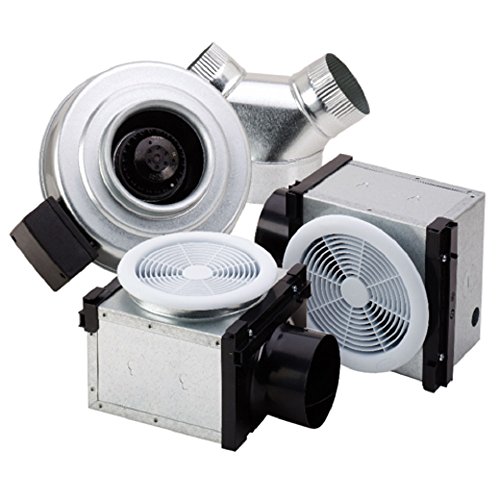
The Fantech PB370-2 is an inline bath fan kit designed to ventilate two locations with one remote fan. Its listed 370 CFM capacity gives it more airflow than the small single-room fans here. Remote mounting can keep fan noise away from the ceiling grille. This setup stands out for bathrooms that need more than one pickup point.
The best location for bathroom exhaust fan grilles depends on where steam gathers, and this kit allows two pickup points. That can help when a bathroom has a separate shower area or another damp zone. The remote motor needs a suitable mounting spot and duct plan. It is best for remodelers or homeowners planning a multi-point ventilation layout.
A remote fan can keep the ceiling view simple, but installation involves more parts and duct planning than a basic unit. Check the included kit and installation directions before work begins. Its value is strongest when two pickup locations are useful, not when a small bathroom needs only one grille.
Why It’s Great
- One fan can serve two ventilation pickup locations.
- Remote mounting can reduce motor noise at the ceiling.
- Listed 370 CFM supports higher airflow needs.
- Can suit bathrooms with separated moisture zones.
- Offers a flexible layout for planned remodels.
Good to Know
- Its 370 CFM rating may be more than a small bathroom needs.
- Remote mounting and two pickup points can make installation more involved.
- You must plan a suitable duct route and outdoor termination.
2.
Broan-NuTone 50 CFM Modern Grille Fan
 Check Price on Amazon
This Broan-NuTone fan pairs a 50 CFM airflow rating with a modern grille and a listed 2.0-sone sound level. It is an ENERGY STAR model, which may appeal to buyers comparing energy use. Its modest airflow suits smaller rooms when the size and layout match the maker’s guidance. Place it near the main source of steam for better capture.
The simple grille can blend into a small bathroom ceiling without drawing much attention. A standard ceiling fan layout may be easier to plan than a remote inline system. It may suit a powder room or compact full bath, provided 50 CFM meets the room’s needs. Check the best location for bathroom exhaust fan placement against the duct path before buying.
A simple grille should be easy to wipe during routine cleaning, though the fan still needs inspection and care as its manual directs. The stated features offer a practical option for modest rooms. Confirm the cutout, wiring, and duct needs to judge the total value, since installation costs can change the budget.
Why It’s Great
- 50 CFM rating is suited to compact spaces when properly sized.
- Modern grille gives the ceiling a cleaner look.
- ENERGY STAR certification is a helpful efficiency feature.
- Straightforward single-grille design can simplify placement.
- A practical choice for buyers seeking basic bathroom ventilation.
Good to Know
- 50 CFM may not be enough for a larger or complex bathroom.
- The listed 2.0 sones may be audible to noise-sensitive users.
- Confirm the opening size and mounting details before purchase.
3.
Broan-NuTone 80 CFM Fan with LED
 Check Price on Amazon
This Broan-NuTone model combines an 80 CFM exhaust fan with an LED light and a listed 1.5-sone sound level. Its retrofit design is described as suitable for installation without attic access, which may ease some updates. ENERGY STAR certification is another useful detail. For a fitting room, it offers ventilation and light in one ceiling unit.
A combined fan and light can make sense when replacing a ceiling fixture, and the retrofit focus may help where overhead access is limited. Set the fan near the shower or tub if the room and product instructions allow. It may suit homeowners updating an existing bathroom who want moderate airflow and a quieter listed rating.
The integrated grille and light give the ceiling a neat, joined look, and the smooth surface should be simple to wipe. As with any retrofit, check the actual opening and installation steps first. Its value depends on whether the airflow, light, and access needs fit your room and wiring.
Why It’s Great
- 80 CFM offers more airflow than a 50 CFM model.
- Integrated LED light can replace or support a ceiling light.
- Listed 1.5-sone rating may suit quieter bathrooms.
- Retrofit design is intended for use without attic access.
- ENERGY STAR certification is included in the supplied product details.
Good to Know
- The product must match the existing opening and wiring conditions.
- A combined fan and light may not suit every lighting plan.
- Check duct routing and the exact installation steps before starting.
4.
V2262-50 7-Inch Exhaust Fan
 Check Price on Amazon
The V2262-50 is a 7-inch ceiling exhaust fan rated at 50 CFM and 1.0 sone. Its low listed sound level is a key feature for users who dislike a loud fan. The product calls for an 8-inch diameter rough-in opening, so check the ceiling before ordering. When the room size fits, it offers simple ventilation.
This fan is listed for bathrooms, laundry rooms, mobile homes, kitchens, and garages. Its broad use claims may interest buyers working on a small room, but the best location for bathroom exhaust fan placement still depends on the moisture source and duct path. It may suit someone replacing a compatible unit who values quiet operation.
The ceiling-mounted design keeps the unit above the room, where the grille can be wiped as part of routine care. Its useful value depends on an exact match for the 8-inch rough-in and the room’s airflow needs. Verify installation details and vent outdoors before choosing it.
Why It’s Great
- Listed 1.0-sone rating favors quiet operation.
- 50 CFM may suit a small room when properly sized.
- Can serve several room types according to its product listing.
- Ceiling-mounted form leaves floor and wall space clear.
- A simple fan layout may suit a compatible replacement project.
Good to Know
- The required 8-inch rough-in may not match existing openings.
- 50 CFM may not suit a large bathroom or heavy moisture load.
- Check the duct connection and installation instructions carefully.
5.
Fitop 130 CFM Ceiling Exhaust Fan
 Check Price on Amazon
The Fitop ceiling fan is listed at 130 CFM and 1.5 sones, with a stated ceiling opening of 9.45 by 9.45 inches. That higher airflow may suit a larger room when the duct and room sizing support it. The listing says no attic access is required, a feature that may help some retrofit projects.
The fan is marketed for bathrooms, bedrooms, laundry rooms, kitchens, and other spaces. In a bathroom, place it near the main damp area while checking the product’s mounting instructions and vent route. It may suit buyers who need more airflow than a compact 50 CFM model and have a matching ceiling opening.
The broad grille may be easy to wipe, but its larger opening means careful measurement matters before purchase. Review the build and mounting details in the product instructions rather than assuming every ceiling fits. It can offer useful airflow value when its size, noise level, and duct needs suit the room.
Why It’s Great
- 130 CFM offers more listed airflow than the compact models.
- Listed 1.5-sone sound level balances airflow and noise claims.
- Product listing states installation needs no attic access.
- Can suit several room types according to the listing.
- May work for larger bathrooms when properly sized and ducted.
Good to Know
- The 9.45-by-9.45-inch opening may not fit existing cutouts.
- Higher airflow does not guarantee good performance with poor ducting.
- Confirm installation access and room sizing before ordering.
Final Thoughts: The Verdict
My personal top pick is the Broan-NuTone 80 CFM Fan with LED for many standard bathroom updates. It pairs useful airflow with a light, a listed 1.5-sone rating, and a retrofit design for homes without attic access. The best location for bathroom exhaust fan placement is near the shower or tub, with a duct that vents outdoors.
For two pickup points, consider the Fantech PB370-2; for a small room, compare the 50 CFM Broan-NuTone or V2262-50. Measure your opening, check airflow needs, and choose the fan that fits your layout and budget.