
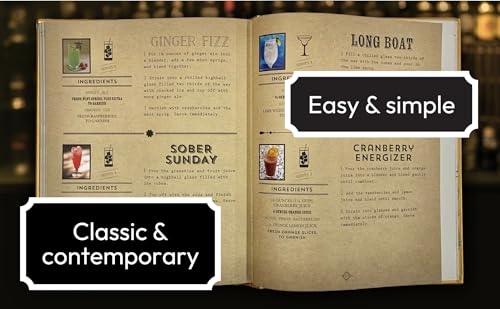
The Art of Mixology is the best beginner cocktail book for easy recipes, clear steps, and home bar confidence.
Have you ever bought a bottle of liquor, searched for a drink recipe, and still felt unsure where to start? A good cocktail book should remove that stress. It should explain basic tools, show simple recipes, and help you understand why each ingredient matters. I compared five popular cocktail books for new home bartenders. I looked at recipe range, ease of use, skill level, layout, and value. These books suit different readers, from casual drink makers to serious beginners who want to learn classic mixology.
See the differences between my top picks at a glance.
| Book | Best For | Recipe Focus | Beginner Ease | Main Strength |
|---|---|---|---|---|
| The Art of Mixology | Most beginners | Classic and creative drinks | Very easy | Friendly layout and broad range |
| The Bartender’s Manifesto | Learning cocktail skills | Technique and drink design | Moderate | Teaches how to think like a bartender |
| The Home Bartender | Simple home bars | Four-ingredient drinks | Very easy | Practical, low-stress recipes |
| The Ultimate Bar Book | Large recipe collections | Classic and modern cocktails | Moderate | More than 1,000 recipes |
| The Essential Cocktail Book | Modern drink fans | Modern classics | Easy to moderate | Compact guide with strong visuals |
The Art of Mixology

The Art of Mixology: Classic Cocktails and Curious Concoctions is an inviting choice for someone who wants to make better drinks at home. Its title promises both familiar recipes and less common ideas, so the book does not feel dull or too narrow. I like this mix because beginners can start with drinks they know and then try something new. The approachable format also makes it a useful gift for a new home bartender.
This book works well as a first guide because it covers more than a short list of recipes. It gives readers a path from basic mixed drinks to more creative combinations. The broad selection can help you learn the role of spirits, mixers, sweet elements, and fresh flavors. If you want the best beginner cocktail book with room to grow, this is my strongest overall pick.
Pros:
- Offers both classic cocktails and creative drink ideas
- Works well for new home bartenders
- Gives beginners a broad starting point
- Encourages practice with familiar ingredients
- Makes a useful gift for cocktail fans
- Supports casual drink making and more focused learning
Cons:
- The large range may feel less focused to readers who want only basic drinks
- Some creative recipes may call for ingredients a new bar does not have
- Readers seeking deep professional theory may want a more technical book
What Amazon Buyers Are Saying
Amazon buyer feedback commonly highlights the book’s attractive presentation, recipe variety, and accessible feel. Readers often value having classic drinks and fresh ideas in one place. The visual style also makes the book appealing for display or gifting. As with many broad recipe books, some buyers may prefer more detail for every technique, while others enjoy the quick and simple format.
Real-world use will depend on your bar setup. A reader with basic spirits and mixers can use the familiar recipes first. Someone with a wider ingredient shelf may get more value from the curious combinations. Buyers who want a friendly book rather than a formal training manual tend to be the best match for this title.
My Recommendation
I recommend The Art of Mixology to most first-time cocktail makers. It balances variety, ease, and visual appeal better than the other books in this comparison. It is worth buying if you want a flexible guide that can stay useful after you learn the basics. My overall rating is 4.7 out of 5.
| Category | Rating |
|---|---|
| Beginner Ease | 4.8/5 |
| Recipe Variety | 4.7/5 |
| Learning Value | 4.5/5 |
| Layout and Use | 4.7/5 |
| Overall Rating | 4.7/5 |
The Bartender’s Manifesto
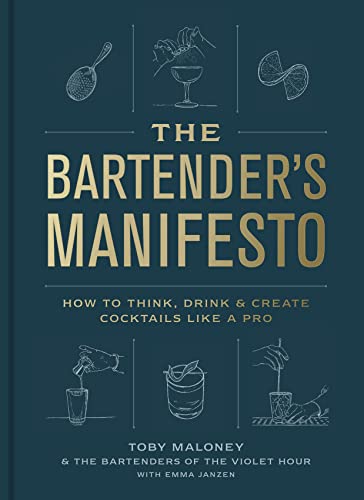
The Bartender’s Manifesto takes a different approach from a basic recipe book. Instead of only telling you what to pour, it focuses on how to think about cocktails. That makes it a strong option for readers who want to understand balance, flavor, and technique. It may suit a curious beginner who wants to build real skills rather than copy recipes without context.
This book can make cocktail learning feel more purposeful. You can study why a drink works, then use that idea in your own experiments. It is not the simplest choice for someone who wants a quick two-minute recipe after work. However, it can become one of the most valuable books on your shelf once you want to create drinks with more confidence and control.
Pros:
- Teaches the thought process behind cocktail making
- Helps readers understand balance and flavor
- Encourages creativity instead of strict recipe copying
- Useful for beginners who want deeper skills
- Can support better homemade drink design
- Offers more learning value than a simple recipe list
Cons:
- May feel more advanced than a basic beginner recipe book
- Readers who want fast recipes may find the teaching style slower
- Some lessons may require extra practice and ingredients
What Amazon Buyers Are Saying
Amazon customers commonly describe this type of cocktail guide as thoughtful and educational. Readers who enjoy learning often appreciate the focus on ideas, method, and drink structure. Buyers may also like that the book encourages personal taste rather than treating every recipe as a fixed rule. The main concern for some new drink makers is that a skill-based book can feel less direct than a simple recipe collection.
The best experience comes when you read a short lesson, make one drink, and take notes. That process helps you notice sweetness, acidity, strength, and texture. Buyers who expect hundreds of quick recipes may not find this the perfect fit. Those who want to become more creative at the home bar may find it rewarding.
My Recommendation
I recommend this book for a beginner who wants to learn the craft, not just collect recipes. It is especially useful for people who enjoy cooking, testing flavors, and improving through practice. I would not make it my first choice for the most casual drink maker, but it is an excellent next step. My overall rating is 4.4 out of 5.
| Category | Rating |
|---|---|
| Beginner Ease | 4.1/5 |
| Skill Building | 4.8/5 |
| Creative Value | 4.7/5 |
| Quick Recipe Access | 4.0/5 |
| Overall Rating | 4.4/5 |
The Home Bartender, Third Edition

The Home Bartender: The Third Edition focuses on a problem many beginners face: too many ingredients. Its promise of 200 or more cocktails made with four ingredients or less keeps the process simple. You do not need a large bar or a long shopping list to get started. That makes this book a practical choice for apartments, small kitchens, and casual hosts.
I find the limited-ingredient approach very useful for new drink makers. It lets you practice pouring, stirring, shaking, and garnish work without adding too much cost. The book also reduces the chance that rare syrups or special bitters will sit unused in a cabinet. If you want the best beginner cocktail book for easy drinks with simple shopping, this title deserves close attention.
Pros:
- Uses recipes with four ingredients or less
- Fits a small or basic home bar
- Helps control shopping costs
- Reduces prep time for casual drinks
- Offers a large number of accessible recipes
- Useful for hosts who need simple drink options
Cons:
- Simple ingredient lists may limit some flavor combinations
- Readers seeking advanced techniques may want more depth
- The focus on ease may not satisfy serious mixology students
What Amazon Buyers Are Saying
Amazon buyers often value the practical format and the promise of simple drinks. Many readers look for recipes that do not require a full professional bar, and this book speaks directly to that need. Buyers may also appreciate the number of recipes for the size and purpose of the guide. Some readers can still find that a few drinks require items they do not keep at home, which is normal for any cocktail book.
In everyday use, this book works best when you choose a few base spirits and build around them. You can begin with vodka, gin, rum, tequila, or whiskey, then add common mixers as needed. That method helps prevent waste. It also gives beginners a clear way to expand their bar over time.
My Recommendation
This is one of my favorite options for a first home cocktail book. It keeps recipes realistic and removes much of the pressure that can make mixology seem hard. Choose it if you want easy drinks, low ingredient demands, and plenty of useful ideas. My overall rating is 4.6 out of 5.
| Category | Rating |
|---|---|
| Beginner Ease | 4.9/5 |
| Ingredient Simplicity | 4.9/5 |
| Recipe Range | 4.5/5 |
| Small-Bar Value | 4.8/5 |
| Overall Rating | 4.6/5 |
The Ultimate Bar Book

The Ultimate Bar Book is the largest recipe collection in this review. With more than 1,000 cocktails, it can serve as a long-term reference for a home bar. It gives you a way to explore classic drinks, variations, and many styles without buying several smaller books. For a reader who wants maximum choice, that depth is the main attraction.
Still, a large collection can overwhelm a true beginner. You may need to spend more time learning which drinks match your available spirits and tools. I suggest using the index or choosing a small group of familiar cocktails first. This is not the easiest book for a person who wants a short lesson and one simple recipe, but it can become a lasting reference as your skills improve.
Pros:
- Includes more than 1,000 cocktail recipes
- Provides strong long-term reference value
- Offers many styles and drink families
- Helps experienced beginners explore beyond basic recipes
- Can reduce the need to buy several recipe books
- Supports broad home bar experimentation
Cons:
- The large recipe count may overwhelm new readers
- Some recipes may need uncommon bottles or bar tools
- It offers less hand-holding than a focused beginner guide
What Amazon Buyers Are Saying
Amazon customers commonly praise this book for its huge range and usefulness as a reference. Buyers who enjoy collecting recipes often like having so many options in one volume. It can also appeal to readers who want to look up a drink quickly instead of following a course. The most likely complaint is not a lack of content, but the challenge of choosing where to begin.
In practice, I would keep this book near the bar rather than read it from cover to cover. Start with a classic section or search for recipes based on the bottles you own. Over time, the book becomes more useful as your ingredient shelf grows. It is a strong choice for a beginner who expects the hobby to become a serious interest.
My Recommendation
I recommend The Ultimate Bar Book to readers who want the widest recipe library. It is worth buying if you prefer a reference book and do not mind learning at your own pace. For a brand-new bartender, I would pair it with a simpler guide. My overall rating is 4.5 out of 5.
| Category | Rating |
|---|---|
| Recipe Coverage | 5.0/5 |
| Long-Term Use | 4.9/5 |
| Beginner Guidance | 4.0/5 |
| Reference Value | 4.8/5 |
| Overall Rating | 4.5/5 |
The Essential Cocktail Book

The Essential Cocktail Book offers a compact guide to modern drinks and includes 150 recipes. It suits readers who want something smaller and more focused than a massive cocktail encyclopedia. The book can fit well on a kitchen shelf or bar cart. Its modern focus may also appeal to people who want drinks that feel current and stylish.
This title sits between a quick recipe book and a more serious reference. It gives beginners enough range to explore without presenting an endless list. The recipes may also help you learn the structure of popular modern cocktails. If you care about design, portability, and a focused selection, this could be the best beginner cocktail book for your space and taste.
Pros:
- Offers 150 modern cocktail recipes
- Provides a more focused choice than a 1,000-recipe book
- Fits well in a small home bar or kitchen
- Appeals to readers who enjoy modern drink styles
- Balances recipe access with useful cocktail guidance
- Makes an attractive gift for new cocktail fans
Cons:
- It includes fewer recipes than a large reference book
- Some modern drinks may need special ingredients
- Readers who want only classic cocktails may prefer another title
What Amazon Buyers Are Saying
Amazon buyers often respond well to the book’s compact size, modern selection, and attractive presentation. Readers may enjoy browsing it before a dinner party or using it to find a fresh drink idea. The focused recipe count can make the book less intimidating than a large encyclopedia. Some buyers may want more classic coverage or more detail on advanced technique.
This book works best when you want to explore a selected group of drinks rather than search through thousands of options. I would use it with a basic set of spirits, citrus, sweetener, and mixers. That approach lets you test the modern recipes without buying every ingredient at once. It is also a good choice for a stylish bar cart gift.
My Recommendation
I recommend The Essential Cocktail Book for beginners who want a compact and modern guide. It gives enough variety for regular use while keeping the choice manageable. Choose it if presentation and current drink styles matter to you. My overall rating is 4.4 out of 5.
| Category | Rating |
|---|---|
| Modern Recipe Selection | 4.7/5 |
| Portability | 4.8/5 |
| Beginner Access | 4.4/5 |
| Gift Appeal | 4.7/5 |
| Overall Rating | 4.4/5 |
How to Choose the Best Beginner Cocktail Book
The right book depends on how you plan to use it. A casual drink maker may need short recipes and common ingredients. A curious home bartender may want lessons on balance and technique. Before you buy, think about your current skill level, bar tools, favorite spirits, and budget. The best beginner cocktail book should make you want to mix a drink, not make the hobby feel like homework.
1. Look for Clear Recipes and Basic Lessons
A beginner guide should explain each drink in plain language. Look for clear ingredient lists, simple steps, and useful serving notes. The book should help you understand basic actions such as shaking, stirring, straining, and building a drink in the glass. Photos can help, but clear writing matters more than decoration.
Also check whether the book covers basic bar tools. A new bartender may not know when to use a shaker, mixing glass, jigger, or strainer. A short explanation can prevent mistakes and reduce wasted ingredients. Books such as The Art of Mixology offer a friendly start, while The Bartender’s Manifesto may suit readers who want a deeper lesson in drink structure.
2. Match the Recipes to Your Home Bar
Recipe count alone does not decide quality. A book with 200 recipes may prove more useful than one with 1,000 if the drinks use ingredients you own. Check whether the recipes rely on common spirits, fresh citrus, simple syrup, soda, tonic, and standard mixers. These items give beginners more chances to practice without a costly shopping trip.
The Home Bartender stands out for its low ingredient demand. That makes it a smart pick for a small bar. The Ultimate Bar Book offers much more choice, but you may need more bottles and tools to use its full range. Think about your storage space before choosing a large reference book.
3. Consider Long-Term Value and Reading Style
Ask yourself how you like to learn. Do you want a quick recipe for a Friday night? Choose a direct book with simple steps. Do you want to understand flavor balance and invent your own drinks? Choose a guide that teaches technique and ideas. A book that matches your learning style will give you more value over time.
Also consider how often you will use it. A large reference book can remain useful for years. A compact book may be easier to pick up and use often. Look at the quality of the layout, the range of drink types, and the amount of guidance. The best value comes from a book that fits your real habits, not just the one with the biggest recipe number.
Final Verdict: Which Should You Buy?
The Art of Mixology is my top choice for the best beginner cocktail book. It offers a friendly mix of classic recipes, creative ideas, useful range, and simple access for new home bartenders.
Choose The Home Bartender for low-cost, easy drinks, or The Ultimate Bar Book for maximum recipe depth. Any of these guides can help you build confidence behind your home bar.
FAQs Of best beginner cocktail book
What is the best beginner cocktail book?
The Art of Mixology is the best overall choice for most beginners because it combines classic drinks, creative recipes, and an approachable format.
Which cocktail book uses simple ingredients?
The Home Bartender focuses on cocktails made with four ingredients or less, so it suits small bars and shoppers who want to limit costs.
Is a cocktail book useful without a full bar setup?
Yes. Start with one base spirit, a citrus fruit, a sweetener, and a common mixer. A simple book can help you expand your bar over time.
Should beginners buy a book with more than 1,000 recipes?
They can, but a large collection may feel overwhelming. The Ultimate Bar Book works best for beginners who want a long-term reference and enjoy exploring at their own pace.
What should a beginner learn before making cocktails?
Learn how to measure, shake, stir, strain, and balance sweet, sour, strong, and bitter flavors. These skills help you follow recipes with better results.