
Five useful eco friendly products are reusable bottles, sturdy shopping bags, solid shampoo bars, LED bulbs, and rechargeable batteries.
The best 5 eco friendly products can cut waste, save energy, and reduce exposure to some harsh ingredients. They also fit into normal routines, which makes them easier to keep. This guide weighs each product’s life, materials, and disposal so you can shop with care instead of trusting a green label.
What Makes a Product Eco Friendly?
An eco friendly product causes less harm than a similar option over its full life. That life starts with raw materials and ends when you reuse, repair, recycle, or dispose of the item.
“Eco friendly” has no single U.S. standard. It is not a seal of quality, and a product can help one goal while creating another problem. Look for clear gains in materials, energy use, safety, and end of life care.
A useful product must also work well and last long. If it fails early or you never use it, a small green claim will not make it a good buy. The 5 eco friendly products below focus on practical gains rather than perfect choices.
1. A Reusable Stainless Steel Water Bottle
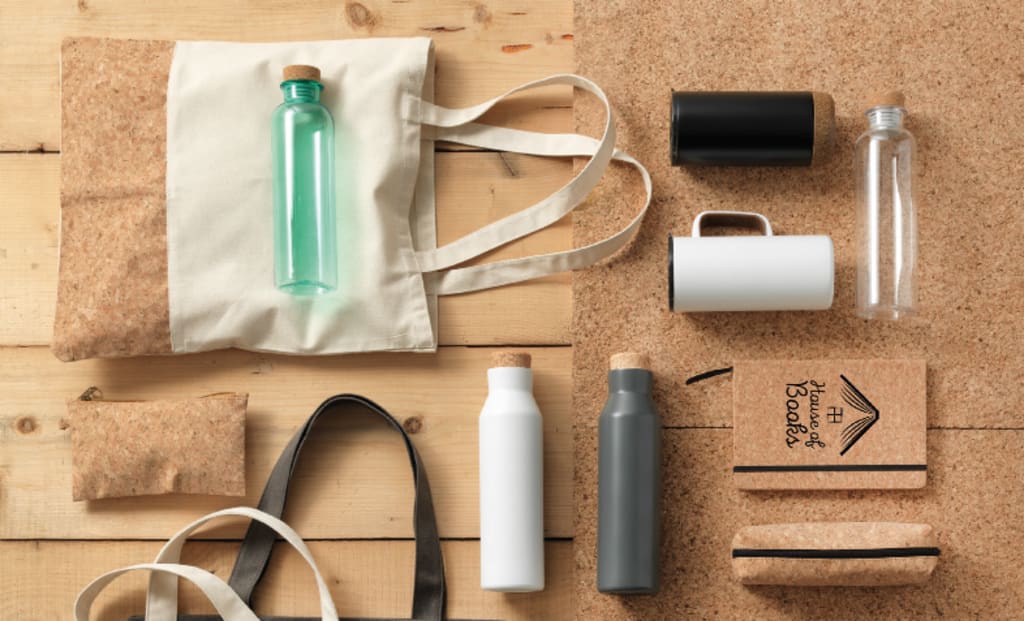
A good water bottle can take the place of many disposable ones. Steel and aluminum are durable metals that can be recycled when the bottle reaches the end of its useful life. Reuse can also save energy by reducing the need to make and ship more bottles.
Before you buy, check the parts that affect daily use:
• Lid and seal: Look for a leakproof lid with a replaceable gasket.
• Cleaning: A wide mouth is easier to clean, especially at the bottom.
• Capacity: Choose a size that fits your bag and meets your daily water needs.
• Value: Compare the bottle’s weight, price, warranty, and care needs.
The best choice is one you will carry and wash without hassle. Some insulated bottles have mixed layers that are harder to recycle than plain steel. Check local rules before buying if this feature matters to you.
Real life results depend on your habits. A bottle left unused in a drawer adds little value, while one kept for years can replace many disposables. Refill and clean it as directed, and take it to an accepted recycling site when it finally wears out.

2. A Sturdy Reusable Shopping Bag
A dense canvas tote can replace many single use grocery bags. However, cotton uses water and land to grow, and a heavy bag takes more energy to ship and wash than a light one. The bag’s material alone does not set its environmental impact.
A 2023 life cycle study in PLOS ONE found that results depend on bag weight, material, and number of uses. Some heavier cloth bags need hundreds of uses to match the climate impact of certain single use bags in the scenarios tested. That makes regular use more important than the label on the shelf.
Look for a bag that suits your shopping habits:
• Size: A roomy tote can hold more, but an oversized bag uses more material.
• strength: Check the seams, handles, and stitch lines before you rely on it.
• Care: Choose fabric you can wash and dry with ease.
• Ease: A comfortable bag is more likely to stay in your car and get used.
For most people, a medium weight canvas tote is a practical balance. Keep one clean tote in your car, and use it for small and large shopping trips. If space is tight, a foldable synthetic bag may be easier to carry, but you should still check its care and recycling rules.

3. A Solid Shampoo Bar
A solid shampoo bar can cut package plastic and the water used to ship heavy liquid bottles. Those gains depend on the formula, ingredients, packaging, and hair care routine. A bar is not greener in every case, so read the label and choose one that cleans your hair well.
Compare these features before making the switch:
• Ingredients: Look for a clear list and avoid products if you react to a known ingredient.
• Packaging: A bar with less unnecessary wrapping can reduce extra waste.
• Use: The label should explain how to store, soften, and use the bar.
• Scent and value: A scent you dislike or a bar that breaks too fast may not be worth buying.
Very dry hair or frequent use of heavy styling products can make liquid options more practical. If you try a bar, give your hair and scalp time to adjust. Stop using it if you develop dryness, irritation, or itching.
Storage matters too. Keep the bar on a draining dish between uses, and follow its care guide. The best bar is not the one with the most earth tones on the wrapper. It is the one that works, lasts, and replaces the bottle you would have used.

4. An LED Light Bulb
LED bulbs use much less energy than traditional incandescent bulbs. The U.S. Department of Energy estimates that LEDs can use up to 90% less energy. They also tend to last longer, which can reduce both waste and replacement trips to the store.
Start with the fixture, not the bulb’s color or brand name:
• Base: E26 and E27 are common screw-in bases, but some lamps use other fittings.
• Size: Check the maximum bulb size allowed by the fixture.
• Brightness: Lumens measure light output, while watts show power use.
• Efficiency: Choose an ENERGY STAR qualified bulb when one is available for your needs.
Real savings depend on the bulb, the room, and how long you keep it on. A lamp used for several hours each day gives you more chance to save than one used for a few minutes. Turn lights off when you leave a room, and use daylight when the light is good enough.
When a working LED reaches the end of its life, do not toss it with regular trash unless local rules allow it. Many areas treat bulbs as electronic waste, and some stores or recycling centers offer safe drop off options.
5. Rechargeable AA Batteries
Rechargeable batteries can reduce the need for disposable cells in remote controls, toys, clocks, and small lights. They offer the most value when you use the same device often. They still contain metals and have a limited charge life, so they are not a zero waste swap.
A useful starter kit has three parts:
• Cells: Match the battery size and type in each device’s manual.
• Charger: Choose a charger designed for your cells and follow its instructions.
• Storage: Keep batteries in a dry place, away from heat and children.
Do not assume every rechargeable battery fits every device. Some built in batteries use other shapes, and some low cost chargers may lack safety testing. Look for a clear rating label, a useful warranty, and charging instructions from the maker.
If a battery swells, leaks, or becomes unusually hot, stop using it. Keep it away from other batteries until you can follow local safety and disposal advice. Rechargeable cells work best when you rotate them through regular use instead of leaving them empty for years.
How to Choose the Best Eco Friendly Products for Your Home
One strong habit can beat a pile of barely used eco friendly swaps. Match each item to a real problem, then compare its full life and your local waste rules. The full life includes making, using, cleaning, repairing, and disposing of the product.
Use this five step check:
-
Name your goal. Decide whether you want to cut waste, energy use, water, or exposure to certain ingredients.
-
Compare whole life options. Check how long the product may last, what materials it uses, and how it gets made.
-
Look at every part. Bottles have lids and seals, shirts have buttons, and chargers have cords. A small part can affect repair or recycling.
-
Check local disposal rules. A recycling symbol does not guarantee that your area accepts the item. Composting programs also differ.
-
Test the item in your routine. Use it for a few weeks and note the effort, mess, storage, and results. Keep what earns a place in your life.
A product label cannot predict your behavior. This is why a real-life test matters more than a broad “planet friendly” claim. If an item needs too much work or takes up too much room, the best choice may be a different one.

Benefits, Tradeoffs, and Common Mistakes
These 5 eco friendly products can help you waste less, use less power, and cut some packaging. The largest gain often comes from using the item for a long time, not from replacing one disposable product with another green looking item.
You may also face tradeoffs. A durable bottle or tote can cost more at first, while an LED or rechargeable battery can add electronic waste at the end. Eco friendly does not mean cheap, perfect, or safe in every setting.
Watch for these common mistakes:
• Extra packaging: A paper box does not help if it adds more material than the product saves.
• Vague claims: Words such as “green,” “natural,” and “planet safe” do not tell you what changed or how it was measured.
• Compostable packaging: Some certified compostable plastics need industrial composting conditions. Throwing them into a regular bin or backyard pile may stop the process.
• False recycling promises: A package may be recyclable in theory but have no local collection site.
• Rare use: A reusable item that sits unused does not earn its environmental benefit.
Choose the product that solves a daily problem, lasts, and fits your local system. The most sustainable option is often the useful one you can keep for years, not the trendiest one on the shelf.
Frequently Asked Questions
Are these 5 eco friendly products good for beginners?
Yes, because you can add them one at a time. A water bottle or tote is simple to try, while a shampoo bar or rechargeable battery may need a small routine change.
What is the most eco friendly product?
There is no single winner for every home and every goal. The best choice is the product that replaces a wasteful habit, works well, and stays in use for a long time.
Do eco friendly products always cost less?
No. Some durable products cost more at first but may cost less over their life. Compare price, expected use, care needs, and local repair or recycling options.
Can eco friendly products still create waste?
Yes. Mixed material packaging, failed batteries, used lamps, and unwanted items can all create waste. Responsible care and suitable local disposal options remain important.
How can I avoid greenwashing when shopping?
Look for specific details about materials, lifespan, ingredients, and end of life care. Be cautious when a seller gives a broad green claim without proof or clear limits.
Start With One Change That Sticks
The best 5 eco friendly products solve a daily problem while using fewer resources over time. Start with the one that fits your budget and routine, use it often, and care for it well. Small changes become strong habits when they last.
Choose your first swap today, check your local recycling rules, and share your favorite eco friendly product or questions in the comments.